
Table of Contents
- The Real Reasons Tactical Gear Costs More
- Tactical Gear Durability Standards and Testing
- Total Cost of Ownership Tactical Gear: Cheap vs. Premium
- Military vs. Civilian Market Differences
- Maintenance, Repair, and Counterfeit Risks
- Best Tactical Backpacks for 2026: What to Look For
- Frequently Asked Questions
Last Updated: September 12, 2026
The Real Reasons Tactical Gear Costs More
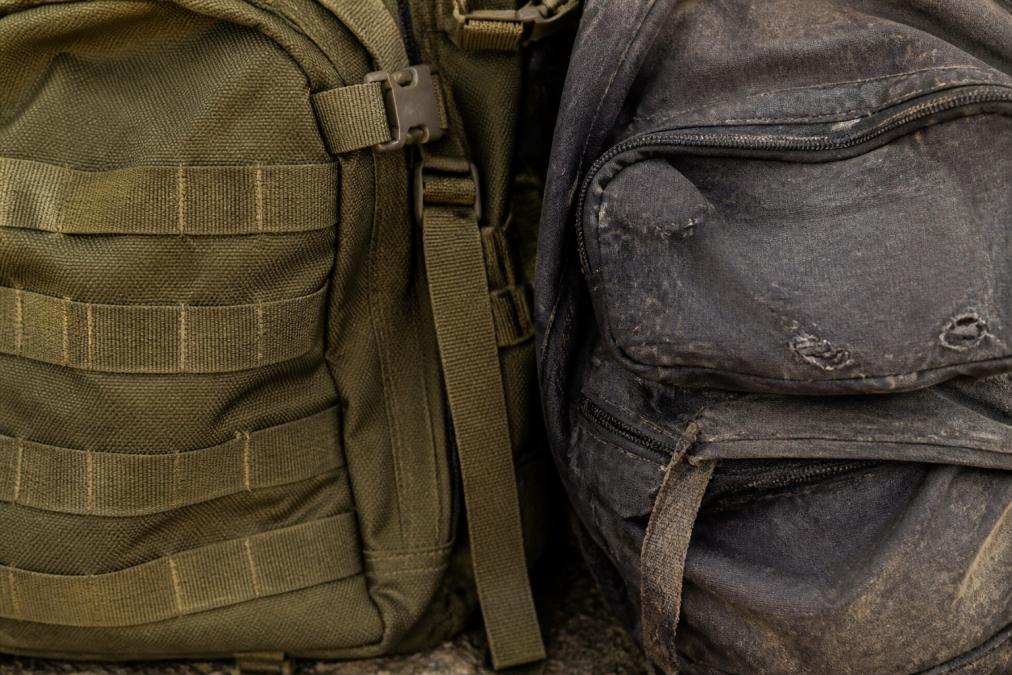
Tactical gear costs more because it is built to survive conditions that destroy ordinary outdoor equipment. At Adventurers Pulse, we see this difference every time a customer compares a worn-out budget pack against a field-tested one. A tactical backpack is a load-bearing system engineered for mission-critical use, not a weekend accessory. The price gap reflects materials, manufacturing tolerances, and testing that budget alternatives skip entirely.
Material Durability and Tensile Strength
The fabric is where the cost conversation starts. Premium tactical packs use high-denier synthetic fibers, often 500D to 1000D nylon, chosen for tensile strength and abrasion resistance. Budget packs typically use thinner polyester that frays at stress points. That single material decision drives a large share of the price difference, and it is the first thing to fail when gear is pushed hard.
Manufacturing Tolerances and Quality Control
Precision costs money. Military-grade gear is cut and stitched to tight manufacturing tolerances, with double and bar-tack stitching at every load-bearing junction. Quality control catches defects before a pack ships. Mass-market production accepts wider variance to keep unit costs low, which is why seams and zippers fail first under heavy loads.
Tactical Gear Durability Standards and Testing
Tactical gear durability standards come from published testing protocols that measure how equipment performs under stress. These standards separate gear that looks tough from gear that survives real use. Understanding them helps you judge whether a price premium is justified.
NIJ Compliance and Ballistic Testing
For protective equipment, NIJ compliance means a product has passed ballistic testing against defined threat levels. The National Institute of Justice publishes these voluntary standards, and manufacturers submit gear for independent evaluation. You can review the current requirements through the NIJ ballistic resistance standards. For non-ballistic gear like backpacks, look for documented testing of zippers, buckles, and strap anchors, plus temperature cycling that simulates extreme cold and heat.
Ask any brand for the specific test protocol behind a durability claim. “Military-grade” is a marketing phrase, not a standard. A pack that names its denier, its buckle hardware, and its stitch pattern is telling you something verifiable.
Total Cost of Ownership Tactical Gear: Cheap vs. Premium
The total cost of ownership tactical gear calculation almost always favors premium equipment over time. A budget pack that fails after two seasons costs more per year than a durable one that lasts a decade. Replacement frequency, not sticker price, is the real number to track.
| Factor | Budget Gear | Premium Tactical Gear |
|---|---|---|
| Upfront cost | Lower | Higher |
| Expected lifespan | 1-3 seasons | 5-10+ years |
| Repair options | Rare | Often supported |
| Failure risk in field | High | Low |
| Cost per year of use | Often higher | Often lower |
The Diminishing Returns Curve
Spending more does not always buy more durability. The diminishing returns curve means the jump from cheap to mid-tier gear delivers the largest reliability gain. Past a certain price point, you are paying for weight savings, specialized features, and brand prestige rather than core toughness. Match your spend to how hard you actually use the gear.
For most buyers, the sweet spot sits in the middle. You capture the durability gains that matter and avoid paying for capabilities you will never use on a weekend trip.
Military vs. Civilian Market Differences
Military and civilian gear markets operate on fundamentally different economics, and that gap explains a large share of the retail premium. Understanding how military procurement actually works shows you why the same design DNA costs so much more at retail.
How Military Procurement Spreads Cost
The federal procurement process buys in large volumes under fixed specifications. A solicitation typically defines a Berry Amendment-compliant item (domestically sourced textiles and components), a specific National Stock Number, and a set of performance requirements the manufacturer must meet before a single unit ships. Once a contract is awarded, tooling, pattern development, and testing costs are amortized across thousands or tens of thousands of units.
A common pattern looks like this:
- Tooling and patterns: Custom dies, cutting templates, and jigs are a fixed cost. Spread across a 20,000-unit run, the per-unit share is small. Spread across a 500-unit civilian run, it can dominate the price.
- Testing and qualification: Ballistic, abrasion, and environmental testing is expensive per test cycle. A military contract absorbs that cost once and reuses the qualified design. A civilian brand selling a niche product must recover the same testing cost across far fewer sales.
- Material minimums: Mills that produce 500D and 1000D nylon, or specialized hardware, often have minimum order quantities. A large contract meets those minimums efficiently; a small civilian run pays a higher per-yard price for the same fabric.
- Contract stability: Multi-year contracts let manufacturers plan capacity and buy materials at predictable prices. Civilian demand is seasonal and less predictable, which adds cost and risk that gets priced in.
Why the Retail Price Is Higher Than the Per-Unit Military Cost
The per-unit price the government pays is not the price a civilian pays. The civilian price must also absorb:
- Smaller production runs that cannot amortize fixed costs the same way.
- Distribution and retail margins across dealers, distributors, and direct-to-consumer channels.
- Marketing and brand-building that military contracts do not require.
- Warranty and returns exposure that is handled differently in government contracts.
- Compliance and liability costs for consumer product safety and labeling.
What Civilians Actually Need
You do not need a full combat loadout for a forest campsite. Civilian buyers benefit most from the durability, organization, and ergonomic design that trickle down from military contracts, without the specialized features built for combat. Focus on load-bearing capacity, comfort under weight, and compartment layout. The trickle-down is real: internal frame designs, load-lifter straps, and modular attachment systems all trace back to military requirements that were later adapted for civilian use.
When a brand claims military heritage, ask which contract or specification it references. A real lineage points to a named standard, a National Stock Number, or a published solicitation. A vague “military-inspired” label is marketing, not provenance.
The Diminishing Returns on Military Spec
Not every military specification improves civilian performance. Some requirements exist for interoperability, weight limits tied to aircraft or vehicle loading, or specific threat profiles that a weekend hiker will never encounter. Paying for those capabilities is paying for something you will not use. The smart approach is to identify which military-derived features actually improve your use case, load transfer, abrasion resistance, modularity, and which are simply along for the ride.
Maintenance, Repair, and Counterfeit Risks
Two cost drivers rarely get the attention they deserve: the long-term economics of repair versus replacement, and the way a counterfeit market quietly raises prices for legitimate buyers. Both change the real cost of ownership in ways the sticker price never shows.
The Repair Economics of Premium Gear
A high-end tactical pack is designed to be repaired, not replaced. That design intent has a measurable effect on long-term cost. Common repairable failures include:
- Zipper replacement: A broken zipper on a budget pack often means the pack is done. On a premium pack with a replaceable or serviceable zipper, a repair can restore full function for a fraction of replacement cost.
- Buckle and hardware swaps: Field-replaceable buckles and strap keepers let you fix a failure in minutes without retiring the pack.
- Stitch and seam repair: Bar-tacked and double-stitched seams can be re-stitched by a repair shop. Glued or single-stitched seams on budget gear often cannot.
- Panel replacement: Modular designs allow worn panels to be swapped without replacing the entire load-bearing system.
A common pattern among long-term users is that a premium pack’s repair costs over a decade stay well below the cost of replacing a budget pack every two to three seasons. The premium pack also retains resale value, which further lowers net cost.
Why Counterfeits Raise Prices for Everyone
A counterfeit market impact is not just a problem for the buyer who gets duped. It raises costs across the legitimate supply chain:
- Legal and enforcement costs: Brands spend real money on investigations, cease-and-desist actions, customs seizures, and litigation. Those costs are recovered through product pricing.
- Authentication and anti-counterfeit measures: Holograms, serialized tags, QR verification, and packaging security all add per-unit cost.
- Warranty and support abuse: Counterfeit returns and warranty claims consume support resources that legitimate customers ultimately pay for.
- Brand dilution and lost sales: When a fake fails in the field, the real brand absorbs reputational damage and loses future sales, which must be offset elsewhere.
- R&D recovery: Counterfeiters copy designs without paying for the prototyping, testing, and tooling that created them. The legitimate maker must recover those costs across fewer sales.
The net effect is that honest buyers subsidize the counterfeit problem through higher prices. Buying from authorized sellers is not just about getting genuine gear, it is about not funding the cycle that inflates prices.
A Practical Maintenance Routine
Maintenance extends service life and protects your investment. A simple routine covers most of it:
- Clean zippers with a soft brush and mild soap, then apply zipper lubricant.
- Inspect stitching at all anchor points before and after heavy use.
- Check buckles and hardware for cracks or wear, and replace before failure.
- Store dry and out of direct sunlight to slow fabric and coating degradation.
- Address small failures early before they become structural.
REI’s guide to caring for outdoor gear offers practical steps for extending equipment life. Field performance depends as much on upkeep as on original build quality.
Counterfeit packs often copy a brand’s look while skipping the internal frame and reinforced stitching. The failure usually happens under full load on the trail, far from help. Buy from authorized sellers and check hardware branding.
The real cost of tactical gear is not the price tag, it is the price tag minus resale value, plus maintenance, plus the risk of failure. Premium gear wins on that math because it can be repaired, holds value, and does not force you to replace it every few seasons.
Best Tactical Backpacks for 2026: What to Look For
The best tactical backpacks for 2026 balance durability, ergonomic design, and honest weight distribution. For anyone with a prior shoulder injury, the frame and hip belt matter more than the fabric. A well-designed load-bearing system moves weight onto your hips, which takes pressure off the shoulders entirely.
When evaluating a pack, check these in order:
- Frame and suspension: An internal frame with a padded hip belt transfers load off your shoulders.
- Fabric denier: Higher denier means more abrasion resistance, though it adds weight.
- Stitch quality: Look for double stitching and bar tacks at every anchor point.
- Organization: Dedicated compartments reduce the digging that wrecks a trip.
- Warranty support: A real warranty signals the maker stands behind its materials.
Adventurers Pulse builds tactical backpacks and survival tools around exactly these priorities: gear engineered for durability, comfort, and performance, so you can go prepared into any environment. For the casual weekend camper, that means a pack that carries comfortably and lasts. For the off-grid explorer, it means equipment that holds up when there is no backup.
You can review current options and specifications through the U.S. Forest Service outdoor safety guidance on preparing for remote trips.
The challenge with tactical gear is separating real durability from marketing claims, and that decision shapes every trip you take. Adventurers Pulse exists to remove that guesswork, offering tactical backpacks, survival tools, and outdoor essentials built for reliability and comfort in any environment. Our gear is engineered for durability and performance, backed by a community of explorers who test it where it counts. Get started with Adventurers Pulse and head into the wild with equipment you can trust.
Frequently Asked Questions
What factors contribute most to the high cost of tactical gear?
The biggest cost drivers are material durability, manufacturing tolerances, and testing. High-tenacity synthetic fibers and polymer engineering cost more than standard nylon. Tight quality control and low manufacturing tolerances reduce defects but slow production. NIJ compliance testing and temperature cycling add expense. R&D investment and prototype development also raise upfront costs before any gear reaches the field.
Is expensive tactical gear actually more durable than budget alternatives?
In most cases, yes. Premium tactical gear uses higher tensile strength fabrics, reinforced stitching, and abrasion resistance tested to regulatory standards. Budget alternatives often cut corners on material durability and quality control, leading to early gear failure. However, the diminishing returns curve means a mid-tier option may deliver 90% of the performance at 60% of the price for casual weekend use.
What is the total cost of ownership when buying cheap tactical gear?
Total cost of ownership tactical gear includes the purchase price plus replacement frequency, repair costs, and field performance failures. Cheap gear often fails after one or two seasons, forcing repeated purchases. Premium gear with warranty support and better material durability can last five to ten years, lowering the annual cost. A cost-benefit analysis usually favors premium for frequent users.
How do manufacturing standards influence the price of tactical backpacks?
Manufacturing standards dictate material selection, stitching patterns, and load-bearing capacity tests. Backpacks meeting NIJ compliance or military-grade specifications require tighter manufacturing tolerances, more quality control checkpoints, and expensive testing equipment. These processes raise the unit cost but reduce the risk of gear failure in operational environments. Budget backpacks skip many of these steps.




0 Comments