
Table of Contents
- Quick Comparison: Best Gear for Weekend Explorers
- Essential Hiking Gear List for Beginners: What to Pack First
- How to Pack a Backpack for a Weekend Hike
- Outdoor Survival Tools for Weekend Trips: Safety Without the Bulk
- Budget-Friendly vs. Premium Gear: Where to Spend and Where to Save
- Gear for Specific Weekend Trip Types
- Sustainable Gear Maintenance and Digital Detox Protocols
- Conclusion: Gear Up and Go Prepared
- Frequently Asked Questions
Last Updated: September 16, 2026
Quick Comparison: Best Gear for Weekend Explorers
The best gear for weekend explorers balances durability, comfort, and weight without overbuilding for two- or three-day trips. Too many hikers haul expedition-grade loads on Saturday-to-Sunday outings and burn out by mile four.
What matters most: a fitted backpack, a shelter you can pitch in under five minutes, a sleep system rated for the overnight low, and hydration you’ll actually drink from. Everything else is negotiable.
Below: how to build that kit, pack it, and decide where to spend versus save.
| Category | Where to Spend | Where to Save |
|---|---|---|
| Backpack | Suspension and hipbelt fit | Cosmetic features, extra pockets |
| Shelter | Weatherproofing and pole quality | Brand name, interior extras |
| Sleep system | Temperature rating accuracy | Stuff sack upgrades |
| Footwear | Fit and sole construction | Colorways |
| Tools and safety | Reliability under stress | Multi-tool gadget count |
Essential Hiking Gear List for Beginners: What to Pack First
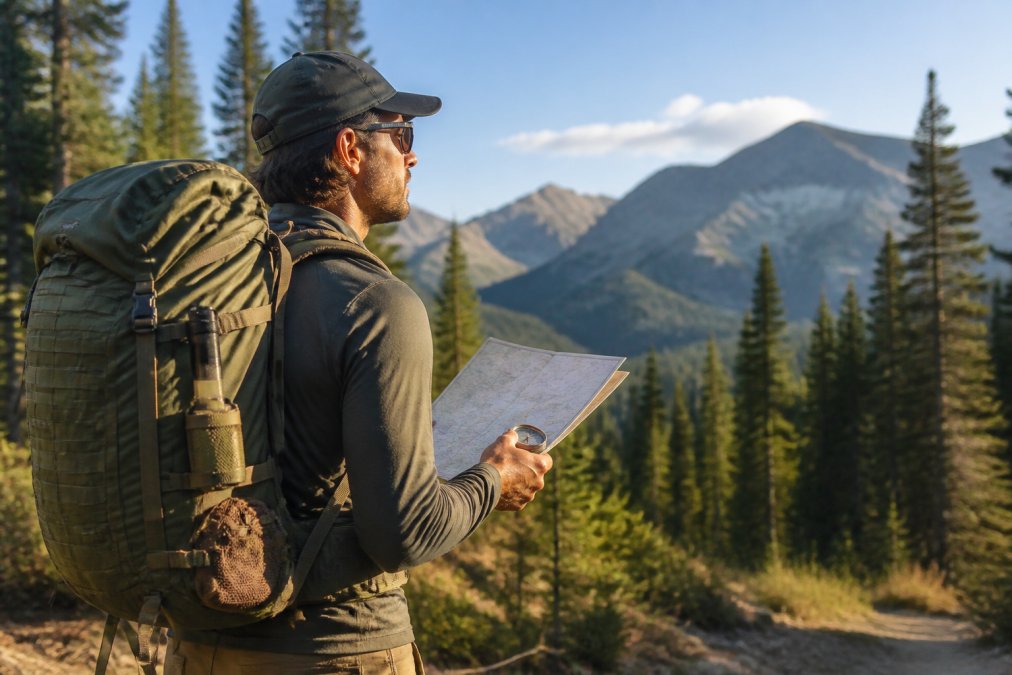
The essential hiking gear list for beginners starts with five items: a fitted backpack, broken-in trail footwear, layered clothing, a hydration system, and a basic emergency kit. Everything beyond that is an upgrade, not a requirement, buy these five first and avoid spending on gadgets before your feet and shoulders are comfortable.
Start with these:
- Backpack: 40-50 liters for one or two nights. The REI backpack fitting guide walks through torso measurement, which matters more than capacity.
- Footwear: Trail running shoes for dry, maintained trails; mid-cut boots for rocky or wet terrain.
- Layers: A moisture-wicking base layer, an insulating mid-layer, and a waterproof shell jacket.
- Hydration: A reservoir system plus a backup water filtration method.
- Emergency kit: Headlamp, multi-tool, first aid essentials, and a portable power bank.
Break in new footwear on three short walks before a real trip. Blisters on a weekend hike come from new boots, not distance.
How to Pack a Backpack for a Weekend Hike
Packing a backpack for a weekend hike means placing heavy items close to your spine and centered between your shoulder blades, with lighter gear outward and down. Get it wrong and the pack pulls you backward all day.
Here’s the sequence:
- Sleeping bag at the bottom, in a compression sack.
- Heaviest items (stove, food, water) centered against your back.
- Clothing and mid-weight gear around the core load.
- Rain shell and snacks in exterior pockets for quick access.
- Tent or trekking poles strapped externally if needed.
Weight distribution matters more than total weight: a well-packed 30-pound load carries easier than a sloppy 22-pound one. If your pack hurt, the fix is usually fit and loading, not a lighter pack.
Outdoor Survival Tools for Weekend Trips: Safety Without the Bulk
Outdoor survival tools for weekend trips should cover three failure points: getting lost, getting hurt, and running out of light or power. You don’t need a full expedition kit for a two-night trip, but skipping these entirely is how a minor problem becomes a rescue. You’re almost always within a day’s walk of a trailhead, so the goal is self-rescue, not multi-day survival.
Navigation: two independent systems, not one
Carry a primary and a backup that fail differently. A phone with offline maps (downloaded before you leave cell range) plus a paper topographic map and a baseplate compass covers the realistic failure modes: GPS depends on battery and satellite lock, while a compass depends on magnetic north and your ability to read terrain. Two devices sharing one battery is one system, not two. Declination, the difference between magnetic and true north, is printed on most USGS topographic maps; setting it on a baseplate compass takes seconds and prevents a heading error that grows with distance.
Lighting: hands-free beats handheld
A headlamp keeps both hands free for cooking, pitching a shelter, or tending a blister in the dark. Look for a red-light mode, which preserves night vision and draws less power. Carry spares in the size the lamp uses, mixing battery sizes leaves you with spares you can’t use.
Repair and redundancy
Water: carried supply plus a filter
First aid: match the kit to the terrain
A hydration system with no backup filtration leaves you dependent on carried water. On a hot weekend, that’s the most common cause of turning back early.
The weekend safety kit is not a smaller expedition kit, it is a different kit. Two independent navigation systems, hands-free light, a sized-to-trip power bank, and a filter you can actually use cover the failure points that end weekend trips early.
Budget-Friendly vs. Premium Gear: Where to Spend and Where to Save
Budget and premium gear differ most on suspension systems, fabric durability, and weather resistance, not the features marketing emphasizes. For weekend explorers, spend on the items that touch your body and save on the ones that don’t.
Spend here:
- Backpack suspension: A pack like the Osprey Atmos AG 65 (around $370) uses an Anti-Gravity suspension system that distributes load across the hips. The REI Co-op Flash 45 (around $199) is the budget pick and works well for lighter loads under 30 pounds.
- Footwear: Fit and sole construction decide whether your knees survive the descent.
- Shelter weatherproofing: The Big Agnes Tiger Wall UL2 (around $400) keeps trail weight low. The Durston X-Dome 1+ (around $450) trades price for wind stability.
Save here:
- Tent stakes: MSR Mini Groundhog stakes run about $20 and grip hard ground better than most stock stakes.
- Sun protection: A compact SPF 50 stick like the Freaks of Nature Peak Performance Sun Stick (around $18) does the job without a bulky bottle.
- Accessories: Stuff sacks, carabiners, and organizers rarely justify premium pricing.
The single highest-return upgrade for most weekend explorers is a properly fitted backpack with a real hipbelt. It changes how every mile feels.
Gear for Specific Weekend Trip Types
Different weekend trips demand different kits. A forest campsite basecamp needs comfort; a mountain summit push needs weight savings and weather resistance. Matching gear to trip type prevents both overpacking and underpreparing, a car-camping stove and an ultralight canister stove aren’t interchangeable.
Car camping basecamp: comfort wins, weight is irrelevant
Trail overnight: weight savings and weather resistance
Day-hike plus camp: versatility over specialization
Wildlife and scenic trips: observation without bulk
How to choose your trip type
Before every weekend trip, weigh your packed pack. If it is over 30 pounds for a two-night trail trip, you are probably carrying car-camping gear. The fix is usually swapping one or two items, not buying a whole new kit.
Sustainable Gear Maintenance and Digital Detox Protocols
Sustainable gear maintenance means repairing, cleaning, and re-waterproofing your equipment instead of replacing it, which cuts both cost and waste. A pack or shell cared for properly lasts years longer than one thrown in a closet wet.
Maintenance basics:
- Rinse and air-dry tents and shells after every trip; stored damp fabric breaks down fast.
- Re-apply waterproofing to shell jackets when water stops beading.
- Check seams, buckles, and zippers before each season and repair small issues early.
- Store sleeping bags loose, never compressed, to protect insulation.
Set a fixed check-in time with someone at home. If you miss it by a few hours, they know to act, and your phone battery lasts the whole trip.
Conclusion: Gear Up and Go Prepared
The gap between a miserable weekend and a great one comes down to three things: a pack that fits, layers that match the weather, and safety tools you know how to use. Get those right and the rest of the kit can grow with you.
Frequently Asked Questions
What is the most forgotten item when camping?
A headlamp or extra batteries tops the list. Many weekend explorers rely on phone flashlights, but they drain quickly and leave you without communication. Pack a dedicated headlamp with fresh batteries and a spare set. Other commonly forgotten items include a first aid kit, sunscreen, and a portable power bank. A simple pre-trip checklist can prevent these oversights and keep your weekend adventure on track.
What are the 10 essential hiking items?
The classic ten essentials include navigation (map, compass, GPS), sun protection, insulation, illumination, first aid supplies, fire starter, repair kit, nutrition, hydration, and emergency shelter. For weekend explorers, customize this list to your trip: add a water filtration system, multi-tool, and a durable backpack. These items cover safety, comfort, and self-reliance, ensuring you’re prepared for unexpected changes in weather or terrain.
How do I choose the right backpack for weekend trips?
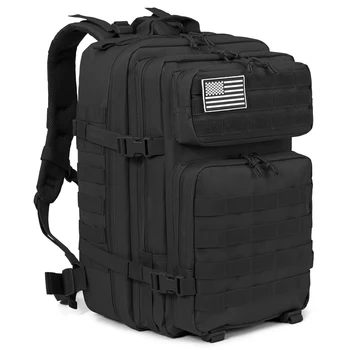
Start with capacity: 40-50 liters suits most weekend trips. Look for adjustable suspension and a hipbelt that transfers weight to your hips, not your shoulders. Ventilation matters in warm climates, so consider a mesh back panel. Try the pack on with weight to test comfort. Brands like Osprey and Gregory offer quality options, and Adventurers Pulse provides tactical backpacks engineered for durability and ergonomic weight distribution, ideal for weekend explorers who demand reliability.
What safety gear should every weekend explorer carry?
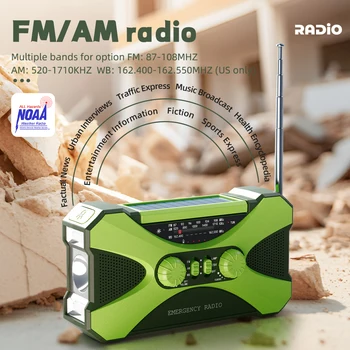
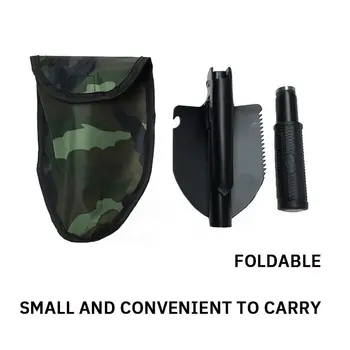
At minimum, carry a first aid kit, multi-tool, headlamp, emergency shelter (like a space blanket), fire starter, and a navigation device. A portable power bank keeps your phone charged for emergencies. For remote areas, consider a personal locator beacon. Adventurers Pulse offers survival tools designed for weekend trips. Always tell someone your itinerary and expected return time.
How can I keep my pack weight down for short trips?
Focus on multi-use items and leave behind ‘just in case’ gear. Choose a lightweight tent like the Big Agnes Tiger Wall UL2 or a tarp shelter. Opt for a down sleeping bag, which compresses smaller than synthetic. Use a water filter instead of carrying extra bottles. Repackage food to remove excess packaging. Weigh your pack before you leave; aim for no more than 20-25% of your body weight. A lighter pack reduces fatigue and lets you cover more ground comfortably.




0 Comments