
Table of Contents
- Why the Right Mountain Safety Gear Keeps You Alive
- The Ten Essentials for Hiking: Your Non-Negotiable Baseline
- Best Survival Tools for Beginners: Start With These
- Mountain Emergency Kit Checklist: Pack It Before You Go
- Weight-to-Safety Ratio: Packing Smart, Not Heavy
- Gear Maintenance and Inspection: Make It Last
- Psychological Safety Tools and Common Mistakes to Avoid
- Conclusion: Go Prepared, Adventure Confidently
- Frequently Asked Questions
Last Updated: September 17, 2026
Why the Right Mountain Safety Gear Keeps You Alive
The margin between a great story and a rescue call often comes down to whether you packed essential gear for mountain safety. Essential gear for mountain safety is the deliberate kit that helps you navigate, stay warm, treat injuries, and signal for help when plans fall apart. Adventurers Pulse curates durable, high-performance gear for exactly these moments. According to the National Park Service trip planning guidance, most backcountry incidents involve unpreparedness rather than extreme conditions.
The Ten Essentials for Hiking: Your Non-Negotiable Baseline
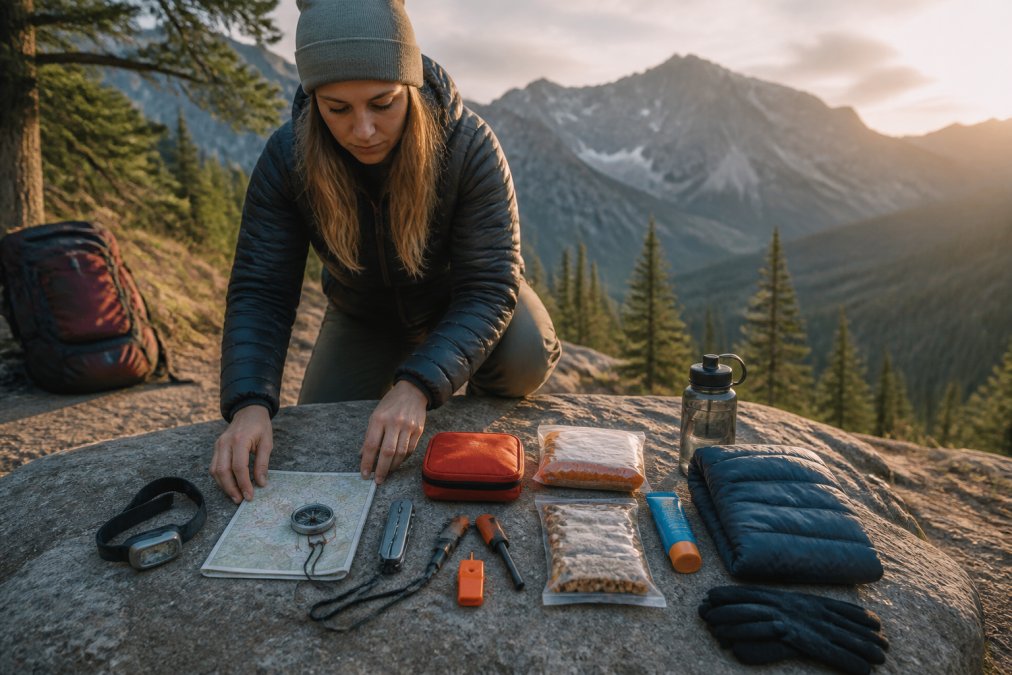
The ten essentials for hiking are a fixed framework: navigation, sun protection, insulation, illumination, first aid supplies, fire, repair tools, nutrition, hydration, and emergency shelter. Every item answers one question: if the plan fails, can you still get out?
What Each Essential Actually Does on the Trail
A compass and topographic map let you fix your position without a battery. A headlamp frees both hands for night travel. An insulation layer and waterproof shell manage hypothermia, the most common alpine emergency. A first aid kit handles cuts and sprains; a multi-tool repairs a broken pole or stove. Fire starter and emergency shelter buy warmth during an unplanned bivouac, while extra food and a hydration system keep energy steady.
Pack the ten essentials as a single unit, not as optional extras. When you need them, you need all of them at once.
Best Survival Tools for Beginners: Start With These
The best survival tools for beginners are a headlamp, a multi-tool, a fire starter, a whistle, and a compact first aid kit. These five cover light, repair, warmth, signaling, and injury care without adding much weight.
- Headlamp: hands-free light with spare batteries
- Multi-tool: pliers, blade, and screwdriver in one body
- Fire starter: ferro rod plus waterproof matches
- Whistle: audible signal that outlasts your voice
- First aid kit: bandages, tape, blister care, pain relief
How to Test Tools Before You Trust Them
A common mistake is trusting gear straight out of the box. Test your headlamp through a full battery cycle at home. Strike your fire starter in wet conditions before you rely on it. Open and close the multi-tool until the action feels predictable. If a tool fails in your living room, it will fail on the mountain.
Label every tool with a piece of tape and the date you tested it. A quick glance before each trip tells you what needs rechecking.
Mountain Emergency Kit Checklist: Pack It Before You Go
A mountain emergency kit checklist should cover trauma, warmth, signaling, and repair. Build it once, then verify it before every departure. The list below is the baseline; the seasonal adjustments that follow are what separate a kit that works in July from one that works above treeline in February.
- Adhesive bandages, gauze, and medical tape
- Blister treatment and moleskin
- Pain reliever and antihistamine
- Emergency shelter or bivouac sack
- Fire starter and waterproof matches
- Whistle and signal mirror
- Multi-tool and repair tape
- Spare headlamp batteries
- Emergency communications device
- Extra food and water purification
- Trauma shears and a tourniquet (for parties traveling in remote terrain)
- Emergency blanket rated for wind, not just the foil sheet in a drugstore kit
Seasonal and Altitude Adjustments
Higher altitude and colder seasons change what the kit must do. The single most useful rule is this: the kit is defined by the failure mode you are most likely to face, not by the calendar. A summer afternoon thunderstorm above treeline can drop the effective temperature below freezing faster than a winter storm at low elevation, because wind and wet clothing strip heat far more efficiently than dry cold alone.
Three thresholds drive most of the changes:
- Treeline. Once you are above the last continuous tree cover, wind exposure and lightning risk rise sharply. Add a waterproof shell, a windproof insulation layer, and a hard-shell emergency shelter that can be pitched without stakes.
- Snow line. Where snow persists, traction and self-arrest become mandatory. Crampons, an ice axe, and snow pickets move from optional to required, and a fire starter that works with numb fingers (ferro rod on a lanyard, not a disposable lighter) replaces the summer kit.
- High altitude (roughly above 8,000 feet). Insulation needs increase even in summer, and the margin for navigation error shrinks because weather moves faster and visibility drops without warning. Add extra insulation, a second emergency communications device, and a wider repair kit.
| Season / Altitude | Add to Kit | Remove or Reduce |
|---|---|---|
| Summer, low elevation | Sun protection, extra water, electrolyte tabs | Heavy insulation |
| Shoulder season | Waterproof shell, mid-layer, extra fire starter | Nothing critical |
| Winter, treeline and above | Crampons, ice axe, snow pickets, wind-rated shelter | Lightweight summer layers |
| High altitude (above ~8,000 ft) | Extra insulation, second communications device, wider repair kit | Non-essential comfort items |
What Competitors Skip: Gear Inspection, Not Just Gear Lists
Most guides stop at the checklist. The failure that actually strands people is a kit that was packed correctly and then quietly degraded in storage. Three inspection habits catch nearly all of it:
- Batteries. Replace headlamp and communications batteries on a fixed schedule, every six months for alkaline, every season for rechargeables, not when they die. A headlamp that dims at dusk is a headlamp that fails at midnight.
- Seams and buckles. Run your fingers along every strap and zipper before each trip. A buckle that latches “almost” fully will pop under load on a steep descent.
- Insulation loft. Store down and synthetic layers dry and loosely packed. A layer compressed wet for weeks loses loft permanently, and a dead insulation layer is the fastest route to hypothermia.
A kit that has never been opened is not a kit. Open the shelter, strike the fire starter, and test the communications device before every season, not just before the first trip.
Label every item with the date it was last inspected. A quick glance before each departure tells you what needs rechecking without unpacking the whole bag.
Weight-to-Safety Ratio: Packing Smart, Not Heavy
The weight-to-safety ratio is the trade-off between pack weight and the protection each item provides. A heavy pack slows you down and raises injury risk; a light pack that skips critical gear is worse. The goal is the lightest kit that still covers every failure mode, and the way to get there is a decision framework, not a feeling.
The Three-Tier Framework
Sort every item into one of three tiers before you pack:
- Tier 1, Non-negotiable. Items that address a failure mode you cannot survive or self-rescue from: navigation, insulation, emergency shelter, fire, signaling, first aid, and a communications device. These go in every pack, every trip, regardless of forecast or duration.
- Tier 2, Condition-dependent. Items that address a failure mode that is likely but not certain given the season, altitude, and route: traction, an ice axe, a waterproof shell, extra insulation, a second communications device. These are added or removed based on the seasonal thresholds above.
- Tier 3, Comfort and convenience. Items that make a good trip better but do not change the outcome of a bad one: a third spare layer, a camp chair, a second stove, a book. These are the first to be cut when weight matters.
The One-Question Test
For every Tier 2 and Tier 3 item, ask one question: does this prevent a real risk on this specific route, in this specific season? If the answer is no, leave it. If a lighter version does the same job, switch. A personal locator beacon earns its weight on any remote route; a third spare layer usually does not.
Where the Weight Actually Goes
Most practitioners find that the big four, shelter, sleep system, insulation, and water, account for the majority of pack weight on an overnight trip. That is where the trade-offs matter most:
- Water. Water is the heaviest single item per unit of safety. Carry a filter or purification tablets and plan to resupply from sources on route rather than carrying a full day’s supply from the trailhead.
- Shelter. A bivouac sack weighs a fraction of a tent and covers the emergency-shelter requirement for a day trip. For overnights, a lightweight two-person tent is usually the better safety trade because it protects two people for less weight per person.
- Insulation. Down is lighter per unit of warmth but fails when wet; synthetic retains warmth when wet but is heavier. On routes where you cannot guarantee staying dry, synthetic is often the safer choice even at a weight penalty.
The Endurance Trade-Off
Pack weight is not just a comfort issue, it is a safety variable. A pack that is too heavy for your fitness and the terrain slows your pace, which extends your exposure to weather and darkness. The practical rule most experienced parties use: carry the lightest kit that still covers every Tier 1 failure mode, and let fitness and route difficulty, not habit, decide what goes in Tier 2. A pack you can move efficiently with is a pack that keeps you out of the situations the gear was packed for.
The lightest safe pack is not the one with the fewest items. It is the one where every item earns its weight by covering a failure mode you actually face.
Gear Maintenance and Inspection: Make It Last
Gear fails at the seams, the buckles, and the batteries, not in the middle of a panel. Inspect straps and stitching before each trip. Check that zippers run clean and that buckles latch fully. Replace headlamp batteries on a schedule, not when they die. Store insulation dry and loosely packed so it keeps its loft.
Storing a wet down or synthetic layer compressed for weeks destroys its insulation. Dry it fully, then hang it loose. A dead insulation layer is the fastest route to hypothermia.
Psychological Safety Tools and Common Mistakes to Avoid
Confidence is a safety tool. A calm, prepared hiker makes better decisions than a panicked one. Leave a trip plan with someone at home, set a turnaround time, and stick to it. The American Hiking Society safety resources recommend sharing your route and expected return before every trip.
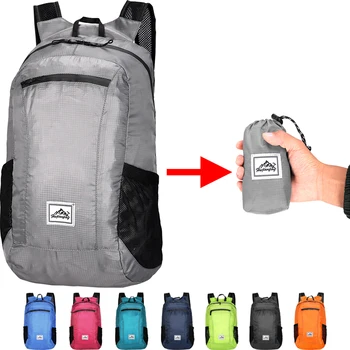
Weekend campers and casual hikers who want dependable coverage without a full expedition loadout.
Conclusion: Go Prepared, Adventure Confidently
The mountains reward preparation and punish assumptions. Build your kit around the ten essentials, test every tool, and inspect your gear before each trip. Adventurers Pulse curates durable, performance-driven equipment for exactly this purpose, from tactical backpacks to survival tools. Shop now with Adventurers Pulse and head into the wild with gear you can trust.
Frequently Asked Questions
What are the 10 essential items for hiking and mountain safety?
The Ten Essentials are navigation (map and compass), headlamp, sun protection, first aid kit, multi-tool, fire starter, emergency shelter, extra food, extra water, and extra clothes. These items cover the most common survival needs if you get lost, injured, or benighted. On mountain trips, add a personal locator beacon, crampons or traction devices when snow is present, and a climbing helmet on exposed terrain. Pack them every trip, even short ones, because conditions change fast above treeline.
How do I choose the right mountain safety gear for beginners?
Start with the Ten Essentials for hiking and buy quality on the items you will use every trip: a headlamp, first aid kit, navigation tools, and a waterproof shell. For survival tools, pick a multi-tool and fire starter you can operate with cold hands and test them at home before you rely on them. Add a mountain emergency kit checklist item by item rather than buying a pre-made kit you have not inspected. Fit matters too: a pack that distributes weight across your hips protects your shoulders on long climbs.
What emergency equipment is mandatory for high-altitude trekking?
Above treeline and at altitude, add a personal locator beacon or satellite messenger, an emergency bivouac shelter, extra insulation layers, and a signal mirror or whistle. Crampons, an ice axe, and a climbing helmet become standard once you cross snowfields or steep terrain. A hydration system that resists freezing and a fire starter that works in wind and wet conditions round out the kit. Check your mountain emergency kit checklist before every high-altitude trip and replace anything worn or expired.
What are the most common safety mistakes when packing for a mountain trip?
The biggest mistakes are skipping the Ten Essentials on short trips, carrying gear you have never tested, and ignoring weather forecasts for the elevation you will actually reach. Others include packing too much weight in the wrong places (heavy items should sit close to your spine), forgetting insulation because the trailhead was warm, and leaving the first aid kit sealed so you do not know what is inside. Weigh your pack, test your tools, and inspect everything before you leave the trailhead.
How does the Ten Essentials list apply to off-grid mountain travel?
Off-grid travel means no cell service, no quick rescue, and longer distances between exits. The Ten Essentials still apply, but you scale them up: more food and water, a repair kit for boots and packs, a personal locator beacon, and a shelter you can set up in wind and rain. Add a paper topographic map and compass as backup to any GPS device. The weight-to-safety ratio matters more off-grid because you carry everything you need to stay alive until help arrives.
How often should I inspect and replace mountain safety gear?
Inspect your gear before every trip and do a full check at the start of each season. Check climbing helmets for cracks or dents, replace them after any significant impact, and retire them per the manufacturer’s guidance. Look at crampon straps and ice axe leashes for fraying, test headlamp batteries, and check first aid supplies for expiration dates. Shelter fabrics and waterproof shells lose their coating over time, so reapply waterproofing or replace them when water stops beading. Regular maintenance keeps gear reliable when it matters.



0 Comments