
Table of Contents
- Quick Comparison: Durable Gear for Casual Campers
- How to Choose a Durable Tent
- Sleep Systems That Last: Pads and Bags
- Camp Kitchen Gear Built for Years of Use
- Lighting and Power Solutions for Extended Trips
- Camping Gear Maintenance Tips for Longevity
- Weight vs. Durability: Finding the Right Balance
- Conclusion: Gear That Goes the Distance
- Frequently Asked Questions
Last Updated: September 11, 2026
Quick Comparison: Durable Gear for Casual Campers
Finding durable gear for casual campers comes down to matching materials and construction to how you actually camp, not to how extreme your gear looks on a shelf. This guide from Adventurers Pulse breaks down the tents, sleep systems, kitchen tools, and power solutions that hold up over years of weekend trips, and it explains what separates gear that lasts from gear that merely looks the part.
Here is the short answer before the detail: prioritize fabric denier and waterproof ratings on shelters, R-value on sleeping pads, stainless or powder-coated metals in the kitchen, and repairable designs everywhere else. Casual campers rarely need expedition-grade equipment, but they benefit enormously from gear that survives being packed, unpacked, rained on, and stored in a garage.
| Gear Category | What Actually Matters | Skip If You See | Typical Lifespan |
|---|---|---|---|
| Tents | Denier, waterproof rating, pole material | Single-stitched seams, no footprint option | 8-12 seasons |
| Sleeping pads | R-value, puncture resistance | Thin PVC with no insulation spec | 5-10 years |
| Sleeping bags | Synthetic fill, shell denier | Unrated fill, fragile liners | 6-10 years |
| Stoves | Burner efficiency, windscreen | Plastic fittings near heat | 5-15 years |
| Power stations | Capacity, cell chemistry | No fast-charge, no warranty | 5-8 years |
| Cookware | Stainless or hard-anodized | Thin nonstick coatings | 10+ years |
How to Choose a Durable Tent
The biggest mistake casual campers make is buying on floor area alone. A tent is a shelter system, and its lifespan is decided almost entirely by three things: fabric denier, waterproof rating, and pole construction. Get those right and a mid-priced tent will outlast a cheap one by years.
Fabric Denier and Waterproof Ratings
Denier is the unit that measures the thickness and density of the yarn woven into a tent’s fabric. A 68D polyester fly is noticeably tougher than a 20D nylon fly, and it resists abrasion from branches, zippers, and repeated folding along the same crease lines.
Look for these specifications on the tag:
- Fly fabric: 68D to 150D polyester or ripstop nylon
- Floor fabric: 150D or higher, or a bathtub floor with taped seams
- Waterproof rating: 1,500mm minimum for rain, 3,000mm for sustained storms
- Seam treatment: factory-taped, not user-applied sealant
A tent footprint or groundsheet is not optional if you want gear longevity. It absorbs the abrasion that would otherwise wear through the floor, and it costs far less than replacing a tent. The American Camp Association guidance on campsite selection and Leave No Trace practices recommends pitching on durable, cleared surfaces, which also protects your floor from punctures.
Set up a new tent once at home before your trip and check every seam under a hose. Factory taping occasionally misses a corner, and catching it before you’re in the rain is the difference between a dry night and a soggy one.
Pole Materials and Guyline Systems
Aluminum poles outlast fiberglass in almost every scenario. Fiberglass is cheaper and slightly more flexible, but it splinters, and a splintered pole section means a collapsed shelter. Aluminum alloy poles bend rather than shatter, and many can be field-repaired with a sleeve splint.
Guyline systems matter more than people expect. Reflective cordage prevents tripping in the dark and resists UV degradation better than cheap white cord. More anchor points mean less stress on any single stitch line during wind.
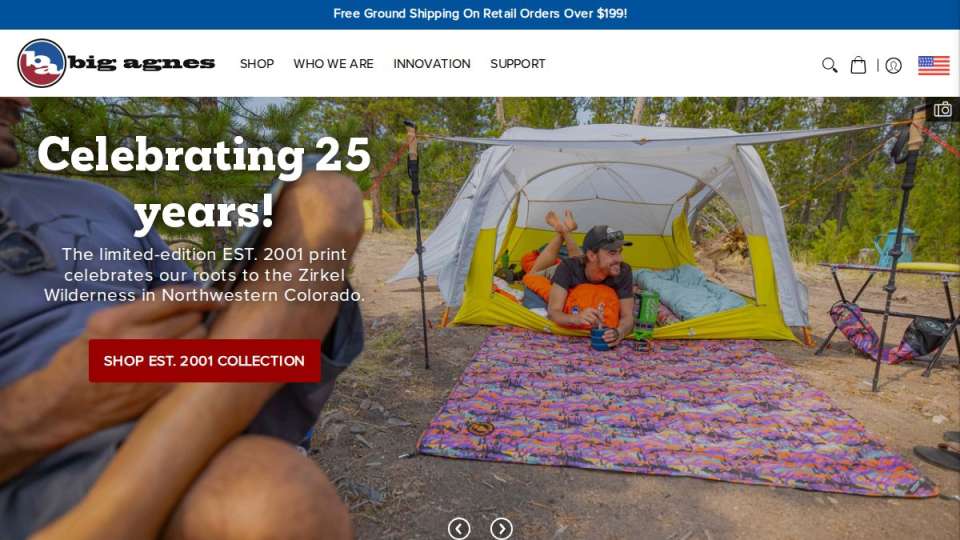
The Big Agnes Big House 4 illustrates the car camping trade-off well. Its high-peak design gives standing room and a durable, weather-resistant polyester fly, but setup takes longer than a compact backpacking tent. For families or small groups who camp from a vehicle, that extra ten minutes is a fair exchange for years of weather resistance.
Sleep Systems That Last: Pads and Bags
Sleep gear fails in two ways: it loses insulation, or it develops a leak. Both are avoidable. The single most useful number on any sleeping pad is its R-value, and the most useful spec on a bag is its fill type and shell denier.
Sleeping Pad Insulation and R-Value
R-value measures a sleeping pad’s resistance to heat loss. Higher numbers mean better insulation from cold ground. The industry standard for measuring this is maintained by the ASTM standard for sleeping pad insulation, which lets you compare pads across brands on equal terms.
- R-value 1-2: summer only, warm nights
- R-value 3-4: three-season camping
- R-value 5+: cold weather and shoulder seasons
Self-inflating foam pads, like the NEMO Roamer, combine foam insulation with an air chamber. They set up quickly, resist punctures better than pure air pads, and hold their insulation even if they slowly lose air overnight. Starting around $250, the Roamer is bulkier and heavier than backpacking pads, which is exactly why it suits car camping: you are not carrying it on your back, so comfort and durability win.
Sleeping bag shells follow the same logic as tents. The Kelty Kush 30 uses CloudLoft synthetic insulation and a durable polyester shell, and it starts around $100. Synthetic fill keeps insulating when damp, unlike down, which makes it the better choice for casual campers who occasionally pack up a wet bag. Its rectangular shape is comfortable, though it will not perform in deep cold.
| Pad / Bag | Key Spec | Best For | Watch Out For |
|---|---|---|---|
| NEMO Roamer | Self-inflating foam, high R-value | Car camping comfort | Bulk and weight |
| Kelty Kush 30 | Synthetic fill, 30°F rating | Three-season casual use | Not for extreme cold |
Camp Kitchen Gear Built for Years of Use
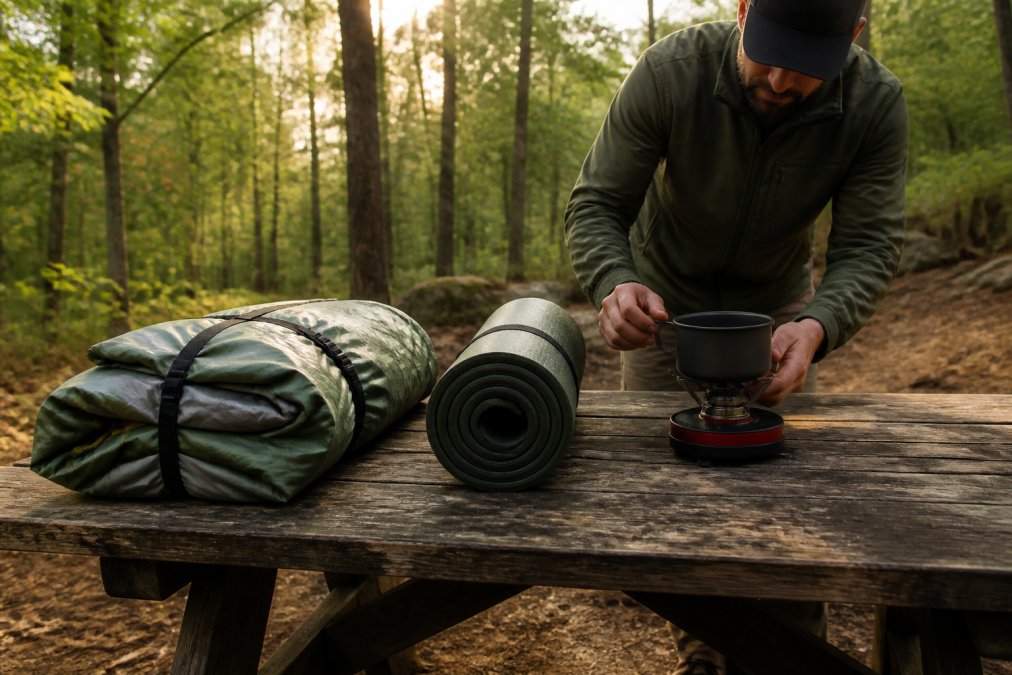
Camp kitchen gear lasts when the heat-facing parts are metal and the moving parts are simple. Two pieces of equipment carry most weekend setups: a portable stove and a way to make coffee.
Portable Stoves and Fuel Efficiency
A portable stove’s durability comes down to its burner head and windscreen. The GSI Pinnacle Stove folds compactly, uses a high-efficiency burner, and includes an integrated windscreen, which cuts fuel use and shortens boil times. Starting around $50, it is a sensible pick for campers who want a space-saving cooker. The one honest limitation: its small footprint can feel unstable under a large pot, so keep loads modest.
For campfire cooking and grilling, the BioLite FirePit+ uses airflow technology for a smokeless burn and includes a removable grill grate. It runs about $299 and doubles as a fire pit, which means one piece of gear instead of two. The trade-off is that its fan system needs charging before a trip.
Coffee is where casual campers either save money or waste it. The AeroPress, around $40, is lightweight, nearly indestructible, and brews in under two minutes with a simple rinse to clean. If you prefer brewing a large batch over a flame, the Stanley Percolator is built from 18/8 stainless steel, is dishwasher safe, and runs about $60. It is heavier than plastic alternatives, and that weight is precisely why it survives being dropped on rocks.
Never store a fuel canister or stove with fuel still connected inside a hot vehicle. Pressure buildup can damage seals and valves, and a compromised seal is the most common reason a stove fails on a trip.
Lighting and Power Solutions for Extended Trips
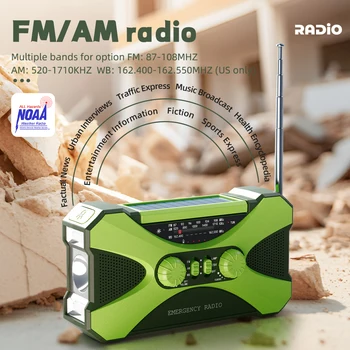
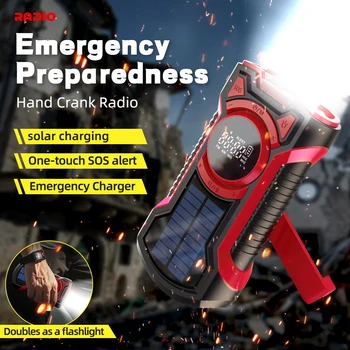
Power is the category where casual campers most often overbuy or underbuy. The right answer depends on trip length and how many devices you run. For multi-day trips with phones, lights, and a cooler, a portable power station earns its place. The Jackery Explorer 1000 Pro offers a 1002Wh capacity with multiple output ports and fast charging via solar or wall outlet, starting around $999. Its integrated handle and strong build make it practical to move around camp, though its weight rules out carrying it far from the vehicle.
For food storage, a true compressor cooler changes how you pack. The Dometic CFX28 runs about $799 and uses compressor cooling rather than ice, with reinforced corners and app-based temperature control. It eliminates the ice runs that eat into every long weekend, and its consistent temperature regulation keeps food safe for extended trips. The catch is real: it needs a power source, which is why it pairs naturally with a power station.
Here is the practical rule. If you camp two nights or fewer and eat simple meals, a quality cooler and a headlamp cover you. If you camp three nights or more, or you are running a fridge, a power station stops being a luxury and starts being the thing that makes the trip work.
Camping Gear Maintenance Tips for Longevity
Camping gear maintenance tips are the difference between gear that lasts three seasons and gear that lasts ten. Most failures are not caused by hard use; they are caused by storage and neglect between trips.
- Dry everything before storage. Mildew destroys waterproof coatings and insulation faster than any trail condition. Set up your tent in the yard after a wet trip and let it dry completely.
- Clean zippers and apply lubricant. Grit is the leading cause of zipper failure. A soft brush and a zipper lubricant once a season keeps them running.
- Re-waterproof the fly every few seasons. Durable water repellent treatments wear off. A spray-on or wash-in treatment restores beading and extends fabric life.
- Store sleeping bags loose. Never leave a bag compressed in its stuff sack. Hang it or store it in a large cotton sack so the insulation keeps its loft.
- Check and replace stakes and guylines. Bent stakes stress grommets. Replacing them is cheap; replacing a torn grommet is not.
- Inspect pads for slow leaks. Inflate at home, wait a day, and check. A patch kit costs a fraction of a new pad.
The single highest-return habit is drying and storing gear loosely. It costs nothing, takes ten minutes after each trip, and it is the reason well-cared-for gear outlasts identical gear that gets stuffed away wet.
On the sustainability side, the most eco-friendly gear decision is buying durable gear once rather than disposable gear repeatedly. Repairable designs, replaceable components, and standard fasteners all reduce waste, and a patched pad or re-waterproofed fly keeps material out of landfills for years. The U.S. Environmental Protection Agency guidance on reducing waste through reuse and repair makes the same case at a national scale: extending a product’s useful life is one of the most effective ways to cut its environmental impact.
Weight vs. Durability: Finding the Right Balance
Weight and durability pull against each other, and casual campers should resolve that tension in favor of durability almost every time. Heavier fabrics, thicker foam, and metal components last longer. The penalty is pack weight, and for car campers that penalty is mostly irrelevant.
The trade-off only becomes real when you carry gear any distance. If you hike in a mile or more, every kilogram counts, and you may accept a thinner pad or a lighter tent in exchange for a manageable load. If your campsite is a short walk from the car, buy the heavier, tougher option and enjoy the longevity.
A simple framework:
- Car camping: prioritize durability, comfort, and repairability
- Short walk-in sites: balance, with attention to packed size
- Backpacking: prioritize weight, and accept shorter gear lifespans
- Mixed use: buy one durable car-camping kit and one lightweight backpacking kit rather than compromising on both
This is also where a brand’s design philosophy shows. At Adventurers Pulse, our gear is engineered for durability, comfort, and performance, and our curated selection of outdoor essentials is built for hikers, campers, and survivalists who want equipment they can trust in varied environments.
Conclusion: Gear That Goes the Distance
The challenge for casual campers is not finding gear; it is finding gear that survives the way you actually camp, with its seams taped, its insulation intact, and its zippers still running after a decade of weekends. Durability comes from a handful of specs, and once you know them, the marketing noise fades away.
Adventurers Pulse builds for exactly that kind of longevity. Our gear is engineered for durability, comfort, and performance, our curated selection covers hiking, camping, and survival essentials, and our community of explorers is built around gear you can trust in any environment. Shop now with Adventurers Pulse and go prepared with equipment that goes the distance, season after season.
Frequently Asked Questions
What is the 200 rule for camping?
The 200 rule refers to a common guideline for camping budgets: spend no more than $200 on a single piece of gear unless you’ll use it at least 20 times per year. For durable gear for casual campers, this rule helps balance cost and frequency of use. If you camp only a few weekends a year, a $200 sleeping bag may be overkill, but a $200 tent that lasts five seasons is a solid investment.
How do you choose durable camping gear for beginners?
Start by prioritizing items that protect you from the elements: tent, sleeping pad, and sleeping bag. For tents, look for ripstop fabric with a denier of 68 or higher and a waterproof rating of at least 1500mm. For sleeping pads, check the R-value (3+ for three-season camping). Avoid ultra-light gear meant for backpacking; car camping gear can be heavier but more durable. Read reviews that mention longevity, not just initial performance.
Is it worth spending more on high-quality camping equipment?
Yes, if you camp at least three times a year. High-quality gear often lasts five to ten years, while budget gear may fail after one or two seasons. For example, a high-quality tent can offer better long-term value. Plus, durable gear performs better in bad weather, keeping you dry and comfortable. Consider the cost per use, not just the upfront price.
What is the most forgotten item when camping?
A repair kit. Many campers forget to bring patches, seam grip, and spare pole splints. These small items can save a trip if your tent tears or a pole breaks. Other commonly forgotten items include a headlamp with extra batteries, a first-aid kit, and a portable power station for charging devices. Pack a dedicated repair pouch and check it before every trip.
How can I make my camping gear last longer?
Follow camping gear maintenance tips: clean and dry your tent before storing it, avoid storing sleeping bags compressed, and lubricate zippers with silicone spray. For stoves, clean the burner regularly. Store all gear in a cool, dry place away from sunlight. Also, use a tent footprint to protect the floor from abrasion. These habits can add years to your gear’s life.




0 Comments