
Table of Contents
- Durable Equipment for Forest Camping: What to Look For
- Quick Comparison: Top Picks for the Forest
- Shelter and Sleep Systems Built for Rough Terrain
- Cooking, Cooling, and Power: The Campsite Workhorses
- Lighting and Comfort: Details That Survive the Elements
- Essential Survival Tools for Forest Camping
- How to Maintain Outdoor Camping Equipment
- Final Verdict: Build a Kit That Goes the Distance
- Frequently Asked Questions
Last Updated: September 8, 2026
Forest camping punishes weak gear. Branches snag, roots twist, and damp soil finds every seam. For anyone who has watched a tent pole snap or a sleeping pad deflate on night one, the lesson is clear: durable equipment for forest camping is not a luxury, it is the difference between a trip you remember and one you endure. At Adventurers Pulse, we empower passionate outdoor enthusiasts with high-performance, exceptionally durable gear, ensuring you can explore mountain trails, forest campsites, and off-grid adventures with unwavering confidence.
The forest environment is uniquely hard on outdoor gear, combining constant abrasion from brush, high humidity that tests waterproofing, and uneven ground that stresses load-bearing components. Most campers discover this the hard way, replacing cheap tents and flimsy cookware after a single season. This guide shows you which materials, constructions, and brands hold up, and which details to inspect before you buy.
Durable Equipment for Forest Camping: What to Look For
Durable equipment for forest camping starts with material science, not brand names. Look for high-denier ripstop nylon or polyester in the 70D to 150D range for tents and packs, and always check that zippers are heavy-duty YKK models, as these are the first point of failure on most budget gear.
Seam sealing is another non-negotiable. In a forest, rain collects on leaves and drips for hours after a storm passes, meaning your shelter faces prolonged exposure. A tub floor with inverted seams, like the WeatherTec system found on Coleman tents, prevents water from wicking through stitch holes.
Quick Picks:
- Best Overall Shelter: Coleman Skydome 4P Tent, for its balance of easy setup and weatherproofing
- Best Sleep System: NEMO Roamer Sleeping Pad, for exceptional insulation on cold forest floors
- Best Cooking System: Jetboil Flash, for rapid, fuel-efficient meals in any condition
Quick Comparison: Top Picks for the Forest
| Item | Best For | Key Durability Feature | Tradeoff |
|---|---|---|---|
| Coleman Skydome 4P Tent | Budget-conscious campers | WeatherTec tub floor, pre-attached poles | Heavier than backpacking tents |
| NEMO Roamer Pad | Side sleepers, cold weather | 50D stretch fabric, high R-value | Large packed size |
| Jetboil Flash Stove | Fast backcountry meals | FluxRing heat transfer, push-button igniter | Not for gourmet cooking |
| Dometic Recon Cooler | Extended food storage | Rotomolded impact-resistant shell | Heavy and bulky |
| Jackery Explorer 1000 Pro | Powering devices off-grid | 1002Wh capacity, battery management | Significant weight |
| Black Diamond Stella-R | Night navigation | IP67 waterproof rating | Complex interface |
| BioLite FirePit+ | Low-smoke campfires | Integrated fan airflow system | Battery maintenance needed |
| REI Co-op Campwell Chair | Campfire comfort | Reinforced steel frame | Large packed size |
Shelter and Sleep Systems Built for Rough Terrain
Your shelter and sleep setup carries the most responsibility in a forest. A three-season tent with a full rainfly and a ground tarp protects you from ground moisture and falling debris. Pair that with a sleeping pad offering both cushioning and thermal efficiency, because the forest floor conducts cold away from your body faster than almost any other surface.
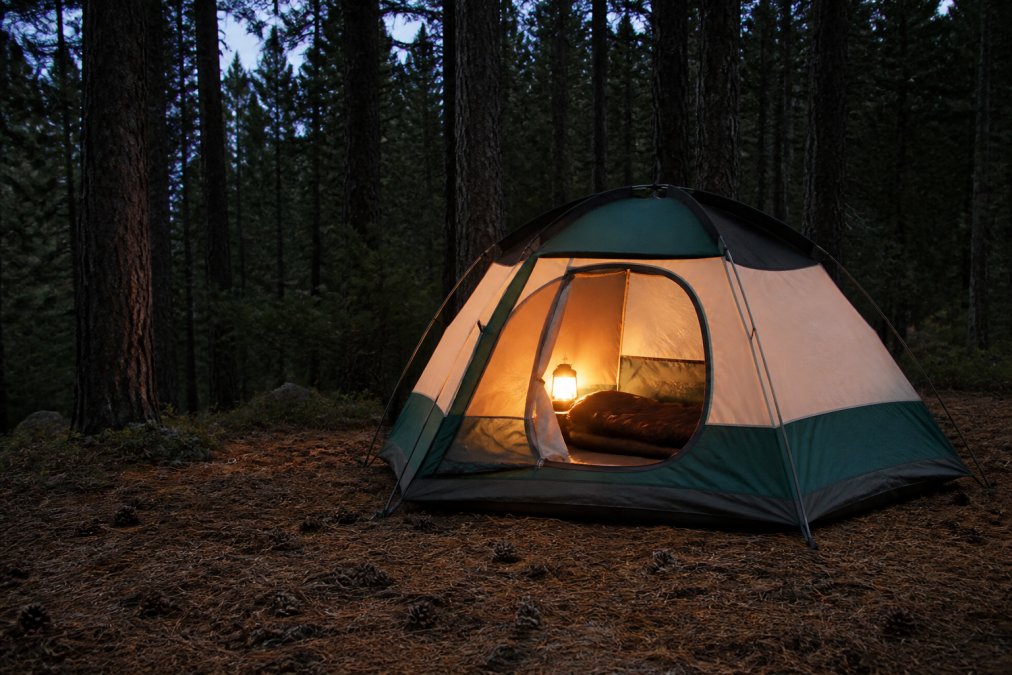
Coleman Skydome 4P Tent
The Coleman Skydome 4P Tent earns its place through sheer practicality. Its pre-attached poles cut setup time dramatically, which matters when you arrive at camp in fading light. The WeatherTec system, featuring a tub floor and inverted seams, keeps ground water out during long, drizzly forest nights.
The wide door design stands out for forest use, making it far easier to haul a 60-liter pack in and out. The interior space is genuinely generous for a four-person tent, giving you room to store gear inside rather than leaving it exposed.
What works: The ease of pitching cannot be overstated. You will have this tent standing in under five minutes on your first try.
What does not: At a heavier weight than specialized backpacking shelters, this is a car-camping or basecamp tent, not something you want on your back for a 10-mile hike.
NEMO Roamer Sleeping Pad
The NEMO Roamer Sleeping Pad is the answer for campers who wake up sore after one night on the ground. Its high-density open-cell foam provides genuine support, and the 50D stretch fabric top feels soft rather than crinkly and cold. The self-inflating valve system means you are not huffing into a valve after a long day.
For forest campers, the high R-value is the spec that matters, providing real separation between you and the cold, uneven ground. The 50D fabric also resists punctures from twigs and pine needles that find their way under your tent floor.
Do not skip a ground tarp under your tent, even with a durable tub floor. Pine needles and small rocks can eventually wear through any fabric, and a tarp is far cheaper to replace than a tent floor.
Cooking, Cooling, and Power: The Campsite Workhorses
The kitchen and power setup is where forest camping becomes a joy or a chore. You need equipment that boils water fast, keeps food cold for days, and provides reliable electricity without generator noise. Each piece here solves a specific problem created by the remote forest environment.
Jetboil Flash Cooking System
The Jetboil Flash Cooking System is the gold standard for backcountry meals. Its FluxRing technology delivers rapid heat transfer, boiling water in under 100 seconds even in cool forest conditions. The push-button igniter removes the frustration of fumbling with matches when your hands are cold and damp.
The integrated design makes it durable, with everything nesting inside the pot to protect the burner and fuel canister in your pack. The insulated cozy with a color-change heat indicator tells you when your water is ready, preventing wasted fuel and burnt fingers.
Backpackers and forest campers who want a hot meal or coffee fast, without carrying a full cookware set.
Dometic Recon Hardside Cooler
The Dometic Recon Hardside Cooler is built for the camper who refuses to eat lukewarm food on day three. Its rotomolded construction is virtually indestructible, shrugging off the bumps and drops of loading and unloading a vehicle in rough terrain. Heavy-duty rubber latches create a secure, airtight seal that keeps cold air in and curious animals out.
Integrated tie-down points make it easy to secure the cooler in a truck bed or trailer, preventing it from sliding on rough forest roads. The tradeoff is weight; this is a substantial piece of equipment not designed for hiking. It is the workhorse of a basecamp kitchen, not a backpacking accessory.
Jackery Explorer 1000 Pro
The Jackery Explorer 1000 Pro brings reliable off-grid electricity to your forest camp. With a 1002Wh capacity and multiple AC and USB outputs, it can power everything from camera batteries to a small electric cooler. The integrated battery management system protects your devices and the unit from overcharging or overheating.
For forest campers, quiet operation is a major advantage over a gas generator, letting you charge devices at night without disturbing the peace or alerting wildlife. Fast-charging via solar panels makes it sustainable for multi-day stays, though the significant weight means it is best suited for car camping or basecamp scenarios.
Lighting and Comfort: Details That Survive the Elements
The small details often determine whether a forest trip feels like an adventure or a struggle. Reliable lighting and a comfortable place to sit after a long day are not luxuries; they let you actually enjoy the evening hours. These picks focus on gear that resists the damp, abrasive forest environment.
Black Diamond Stella-R Headlamp
The Black Diamond Stella-R Headlamp is a rugged, weather-resistant lighting solution for nighttime forest navigation. Its IP67 waterproof rating means it survives heavy rain and accidental submersion. Multiple lighting modes, including dimming and strobe, give you control over your beam for tasks from reading a map to signaling.
The rechargeable lithium-ion battery is a practical choice for multi-day trips, eliminating the need for spare coin cells. The build quality is excellent, with a housing that resists impacts from drops on rocky ground. The interface can feel complex for beginners, so practice changing modes before you need to do it in the dark.
BioLite FirePit+ and REI Co-op Campwell Chair
The BioLite FirePit+ transforms the campfire experience in a forest setting. Its integrated fan system pushes air through the fire, significantly reducing smoke while producing a hot, efficient burn. The X-Ray mesh body gives you a 360-degree view of the flames, and SmartGrill attachment compatibility means you can cook directly over it.
The REI Co-op Campwell Chair complements the fire pit perfectly. Its reinforced steel frame provides stability on uneven ground, and the durable polyester fabric with mesh ventilation keeps you comfortable for hours. A high weight capacity supports campers of all sizes without wobbling. The integrated cup holder and storage pocket keep essentials within reach as you watch the fire.
Essential Survival Tools for Forest Camping
Beyond the comfort gear, a forest camp requires a core set of survival tools. Durable equipment for forest camping must include a reliable knife, a fire-starting method that works when wet, and a means of navigation that does not depend on a cellular signal. These tools are your insurance policy, built to perform under stress.
A fixed-blade knife with a full tang is the backbone of camp tasks, from preparing kindling to cutting cordage. Pair it with a ferrocerium rod and a waterproof container of tinder for fire starting in damp conditions. For navigation, a physical map and a magnetic compass remain essential, as GPS units and phones can fail or lose signal in dense forest canopy.
Field guides for local flora and fauna add a layer of safety and enrichment, helping you identify plants that are safe to handle and animals you might encounter. The National Park Service guidance on backcountry safety emphasizes that preparation and the right gear are the most critical factors in preventing emergencies. Always tell someone your itinerary and expected return time before heading into remote areas.
How to Maintain Outdoor Camping Equipment
How to maintain outdoor camping equipment is the skill that separates gear that lasts a decade from gear that fails in two seasons. The forest environment accelerates wear through moisture, abrasion, and organic debris, so a consistent maintenance routine is essential.
Start with cleaning after every trip. Remove dirt and pine sap from tent fabrics using a mild soap and cold water, never a washing machine. Allow everything to dry completely before storage, as mildew is the fastest killer of tent fabric and sleeping bag insulation. Re-apply seam sealer annually to maintain waterproofing integrity.
For metal equipment like stoves and knives, dry them thoroughly and apply a light coat of oil to prevent rust. Store fuel canisters separately from food and ignition sources. For electronics like the Jackery and headlamps, keep them at a partial charge during storage to preserve battery health. The REI Co-op’s gear care advice recommends inspecting straps, buckles, and zippers before each season to catch wear before it becomes a failure in the field.
Keep a small repair kit in your pack with ripstop tape, a sewing awl, and a tube of seam grip. A 2-inch patch applied in camp can save a trip that a torn tent floor would otherwise ruin.
Final Verdict: Build a Kit That Goes the Distance
Building a durable kit for forest camping is an investment in future trips. The products covered here, from the Coleman Skydome tent to the Jackery power station, share a common thread: they are constructed with materials and features designed to withstand repeated use in harsh conditions. This approach, prioritizing material longevity and repairability, is also a more sustainable choice, as it reduces the cycle of disposable outdoor products that end up in landfills.
The Leave No Trace principles for sustainable outdoor recreation remind us that respecting the forest also means not leaving broken gear behind. Choosing equipment that lasts is an environmental decision as much as a financial one.
At Adventurers Pulse, we curate our selection around these exact principles: performance-driven equipment engineered for durability, comfort, and reliability. Our curated selection of tactical backpacks, survival tools, and essential outdoor equipment is engineered for comfort and reliability, allowing you to go prepared with gear you can trust in any environment. When you build your kit with pieces that can take a beating and keep performing, you stop worrying about your gear and start focusing on the adventure.
Frequently Asked Questions
What is the best equipment for wild camping in dense forests?
For dense forests, prioritize gear with high-denier fabrics and sealed seams. A tent like the Coleman Skydome with a tub floor resists ground moisture. A rotomolded cooler, such as the Dometic Recon, withstands impacts from falling branches. For sleep, a self-inflating pad with a high R-value, like the NEMO Roamer, insulates you from cold, uneven ground. Focus on items that are abrasion-resistant and weatherproof to handle the forest floor and unpredictable weather.
How do you choose durable camping gear that will last?
Look for specific materials rather than marketing claims. Check for ripstop nylon or high-denier polyester in tents and packs, and rotomolded construction in coolers. Examine hardware: heavy-duty zippers, rubber latches, and reinforced stress points indicate better longevity. For electronics, an IP67 rating, like on the Black Diamond headlamp, confirms water resistance. Reading reviews about long-term use helps, but inspecting the build quality and material specifications is the most reliable way to judge durability.
What are the 7 C’s of camping for forest trips?
The 7 C’s provide a framework for planning: Clothing, Cabin (shelter), Cooking, Cutting (tools), Combustion (fire), Cover (protection from elements), and Cordage. For forest camping, focus on moisture-wicking layers for ‘Clothing’ and a seam-sealed tent for ‘Cabin.’ ‘Cutting’ refers to a reliable knife or saw, while ‘Combustion’ covers fire-starting tools. ‘Cordage’ like paracord is essential for hanging food or building shelter. This checklist ensures you cover core survival and comfort needs.
How should I maintain my outdoor camping equipment after a trip?
Clean gear before storing it. Set up your tent and brush off dirt, then wipe it down with a mild soap and water solution; ensure it is completely dry to prevent mildew. Wipe down your stove and check the fuel canister for leaks. Clean your cooler with a baking soda solution and leave the drain open. Recharge or remove batteries from electronics. Store sleeping bags loose in a large cotton sack to maintain loft. Regular maintenance prevents wear and extends the life of your equipment.
What is the most forgotten item when camping in a forest?
A ground tarp or footprint is frequently forgotten but vital for forest camping. It protects your tent floor from sharp rocks, roots, and abrasion, which is the most common cause of tent failure. Many campers also forget a repair kit with patch tape and a multi-tool. While not as exciting as a stove, a tarp keeps moisture out and adds a critical layer of protection, ensuring your shelter remains weatherproof and durable across many trips.
Forest camping will test your equipment in ways a backyard setup never will. The gear that survives those tests is the gear that lets you explore with confidence. Visit Adventurers Pulse to see our full range of durable, trail-ready equipment, and go prepared with gear you can trust in any environment. Get started with Adventurers Pulse and build a kit that goes the distance.




0 Comments