
Table of Contents
- What Makes Durable Tactical Gear Different for Mountain Trekking
- Tactical Gear vs Outdoor Gear: Key Differences
- Materials That Define Durability: Ripstop, Nylon, and Load-Bearing Fabrics
- Best Tactical Backpacks for 2026: What to Look For
- MOLLE System Benefits for Trekking and Field Adaptability
- Weight-to-Durability Ratio: Finding the Right Balance
- Repairability in the Field: Gear That Lasts Beyond One Season
- Conclusion
- Frequently Asked Questions
Last Updated: September 3, 2026
What Makes Durable Tactical Gear Different for Mountain Trekking
Tactical gear is engineered for high-stress environments where failure isn’t an option. It features reinforced stitching, abrasion-resistant fabrics, and load-bearing construction that handles repeated punishment on rocky terrain, through dense brush, and across unpredictable weather.
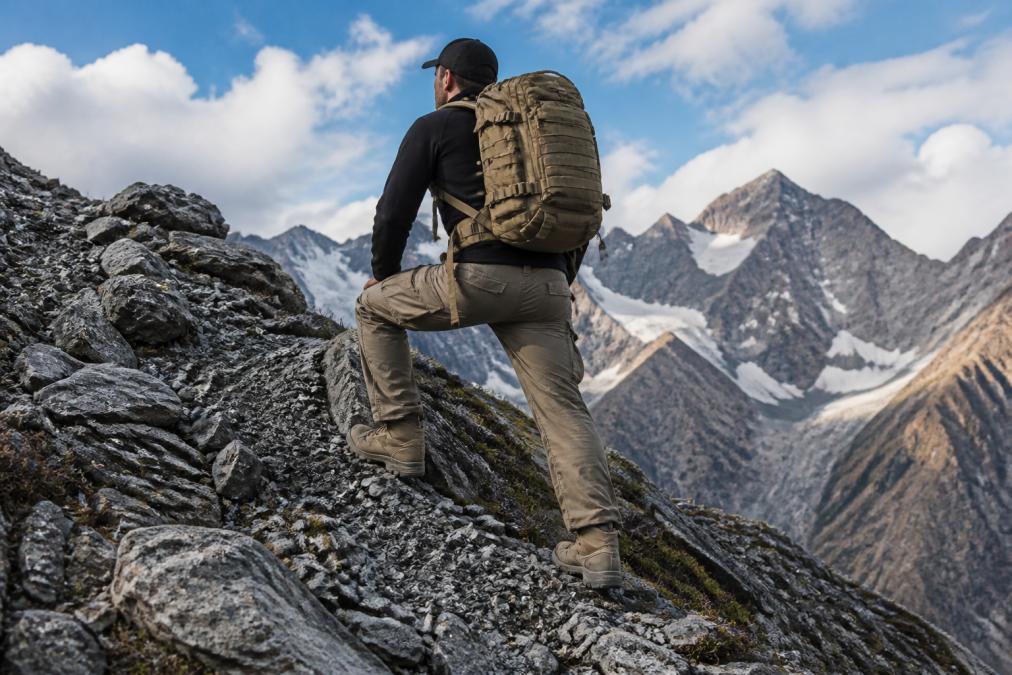
At Adventurers Pulse, we focus on durable tactical gear that prioritizes reliability, modularity, and durability over weight savings. The key distinction lies in fabric construction: tactical gear uses high-denier fabrics like 1050D nylon and ripstop weaves that resist tears and punctures. When crossing scree fields or pushing through thorny brush, this difference matters. A tactical backpack absorbs punishment that would shred a lightweight pack.
Modularity is another critical difference. Tactical gear incorporates MOLLE (Modular Lightweight Load-carrying Equipment) systems, webbing grids that let you attach pouches and tools exactly where you need them. Weather resistance also separates these categories. Tactical fabrics are treated with water-repellent coatings and designed with sealed seams, engineered for extended exposure to rain, snow, and moisture without degradation.
The real advantage of tactical gear for mountain trekking is reliability under stress. When you’re 15 miles from the trailhead and your pack starts failing, there’s no turning back. Tactical gear is designed so that doesn’t happen.
Tactical Gear vs Outdoor Gear: Key Differences
Understanding these distinctions helps you choose the right tool for your mountain trekking needs.
Tactical gear is designed for high-intensity, extended-duration operations in unpredictable environments, prioritizing durability, modularity, and load-bearing capacity. Outdoor gear is designed for recreational activities where comfort and weight savings matter more.
| Aspect | Tactical Gear | Standard Outdoor Gear |
|---|---|---|
| Primary Material | 1050D+ nylon, ripstop weaves | 210D-420D nylon, lightweight synthetics |
| Stitching | Reinforced, often triple-stitched | Standard stitching, lighter thread |
| MOLLE System | Integrated webbing for modularity | Fixed compartments, limited expansion |
| Weight | Heavier (3-5 lbs more for backpacks) | Lighter, optimized for day use |
| Weather Resistance | Sealed seams, heavy water-repellent coating | Water-resistant, lighter protection |
| Repairability | Field-repairable with basic tools | Limited field repair capability |
| Load Capacity | 60-90 lbs sustained | 30-50 lbs optimal range |
| Cost | Higher initial investment | Lower entry price |
The weight difference is real but negligible for multi-day mountain trekking. You’re carrying food, water, shelter, and layers anyway, so the extra 3-5 pounds of durability is worthwhile. Modularity through MOLLE systems represents the biggest functional difference, letting you attach hydration bladders, first aid kits, and specialized pouches wherever makes sense for your trek.
Choose tactical gear for mountain trekking when durability and modularity matter more than weight savings. Choose standard outdoor gear for day hikes or ultralight backpacking where weight is the primary constraint.
Materials That Define Durability: Ripstop, Nylon, and Load-Bearing Fabrics
The durability of tactical gear comes down to material science. Ripstop nylon is the gold standard for tactical applications. The distinctive grid pattern prevents small tears from propagating across the entire fabric. When you snag standard nylon on a sharp rock, the tear spreads. With ripstop, the tear stops at the grid intersection.
High-denier nylon, measured in denier units indicating fiber thickness, provides tensile strength that lighter fabrics can’t match. A 1050D nylon is roughly five times thicker than 210D nylon (peer-reviewed research). This thickness translates directly to durability and puncture resistance. Fabric weave patterns matter as much as material type, a tighter weave provides better weather resistance and abrasion protection.
Water-repellent coatings add another durability dimension. Most tactical fabrics receive DWR (durable water-repellent) treatments that cause water to bead and run off rather than soak in. Construction method matters as much as material itself. Tactical gear typically features reinforced stitching in high-stress areas like pack straps, pocket corners, and load-bearing seams, using triple-stitching or box-stitch patterns that distribute stress across multiple thread lines.
Don’t confuse waterproof with water-resistant. A water-repellent fabric will eventually absorb moisture under sustained exposure. For extended mountain trekking in heavy rain, you need a waterproof shell layer in addition to DWR-coated gear. The Outdoor Research Allies Gore-Tex Mountain Jacket uses 3-layer GORE-TEX fabric, which is genuinely waterproof, water cannot penetrate it, and vapor can still escape.
Best Tactical Backpacks for 2026: What to Look For
Selecting the right tactical backpack requires understanding what separates field-tested packs from mediocre ones. The best tactical backpacks balance load-bearing capacity, modularity, and weight distribution.
Adventurers Pulse curates tactical backpacks engineered specifically for mountain trekking demands. Our focus is on gear that performs under stress, prioritizing durability, comfort, and field-tested reliability.
The 5.11 Tactical Rush 12 2.0 Backpack represents the gold standard for compact tactical backpacks. At 24 liters, it’s larger than day packs but smaller than traditional trekking packs. The 1050D nylon construction provides exceptional abrasion resistance. The 16 compartments give you organization without requiring you to dig through a single cavernous main compartment. The MOLLE-compatible exterior lets you attach additional pouches as your mission changes.
What separates the Rush 12 2.0 from standard outdoor backpacks is the load distribution system. The pack is designed to carry heavy loads (up to 60 lbs) without the shoulder strain that plagues lighter packs. The sternum strap, hip belt, and load lifters work together to transfer weight to your hips rather than your shoulders.
When evaluating tactical backpacks, look for these specific features:
- Hip belt padding: Thicker, more contoured padding distributes load more effectively
- Sternum strap adjustability: You should be able to adjust the angle to match your torso length
- Load lifter straps: These angle downward from the pack to your shoulders, pulling the load closer to your body
- Compartment access: Multiple access points (top, front, side) beat a single main opening
- Reinforced stitching in corners: High-stress areas should have visible reinforcement
- MOLLE webbing quality: Webbing should be tightly woven and securely attached
The best tactical backpack for you depends on trek duration. For weekend trips (2-3 days), a 24-30 liter pack like the Rush 12 2.0 is ideal. For week-long treks, you need 50+ liters. Don’t oversize your pack; a pack that’s too large encourages overpacking, which increases weight and fatigue.
MOLLE System Benefits for Trekking and Field Adaptability
The MOLLE system separates tactical gear from standard outdoor equipment. Understanding how to use MOLLE transforms your mountain trekking capability because it lets you customize your load-out for specific conditions.
MOLLE stands for Modular Lightweight Load-carrying Equipment. It’s a webbing grid system with 1-inch spacing that allows you to attach pouches, holsters, and specialized gear anywhere on your pack. This modularity is mission-critical for mountain trekking because your needs change throughout a trek.
The practical advantage is obvious: attach a first aid pouch where you can access it quickly, mount a water bladder carrier on the front, clip a navigation tool to the shoulder strap, and organize specialized gear in modular storage pouches. For mountain trekking specifically, MOLLE compatibility matters because terrain and conditions change rapidly. You might start in dense forest where you need tick removal tools easily accessible. By afternoon, you’re in alpine terrain where navigation tools and weather protection matter more. With a MOLLE system, you reorganize in minutes.
MOLLE also provides repairability advantages. If a pocket fails or a compartment zipper breaks, you can attach a replacement pouch rather than being stuck with a damaged pack. The key is using MOLLE strategically rather than attaching every pouch you own. Attach gear you actually access during the trek. Leave behind gear that stays in camp.
Weight-to-Durability Ratio: Finding the Right Balance
Durability and weight exist in tension. Thicker fabrics are more durable but heavier. Reinforced stitching adds durability but weight. Finding your personal sweet spot requires understanding the trade-offs.
The weight-to-durability ratio is the relationship between how much your gear weighs and how much punishment it can absorb. A lightweight pack might weigh 2 pounds but fail after 10 hard treks. A tactical pack might weigh 5 pounds but last 50+ treks. Over time, the heavier pack is actually lighter, you’re not replacing it constantly.
For mountain trekking specifically, durability matters more than for day hiking. You’re carrying heavier loads, traveling over rougher terrain, and staying in the field longer. The 5.11 Tactical Rush 12 2.0 weighs approximately 2.5 pounds, heavier than equivalent outdoor packs but lighter than older tactical designs. The 1050D nylon and reinforced stitching extend its lifespan significantly.
The decision point comes down to your trekking frequency and environment. If you’re planning 2-3 treks per year on moderate trails, standard outdoor gear is sufficient. If you’re planning 10+ treks per year on challenging terrain, tactical gear’s weight penalty pays for itself through durability and reduced replacement frequency.
Evaluate weight-to-durability ratio over your expected gear lifetime, not per single trek. A heavier pack that lasts 10 years is lighter than replacing a lighter pack every two years.
Repairability in the Field: Gear That Lasts Beyond One Season
This is where tactical gear reveals its true advantage. Standard outdoor gear is often designed as disposable; when something fails, you replace it. Tactical gear is designed for field repairability, which means you can fix problems on the trail and keep using your equipment.
Repairability starts with material choice. Ripstop nylon, high-denier fabrics, and reinforced stitching are easier to repair than lightweight synthetics. A tear in ripstop fabric can be patched with a ripstop repair kit and will hold. The design philosophy matters too. Tactical gear uses accessible stitching patterns and straightforward construction that you can repair with basic tools: needle, thread, scissors.
For mountain trekking, field repairability is mission-critical. You might be five days from civilization when a strap fails or a seam splits. If your gear is designed for field repair, you fix it and continue.
Practical field repairs include stitching failures using needle and thread, fabric tears using ripstop repair patches, zipper failures by replacing the slider or using a safety pin, and strap damage by reinforcing with duct tape or additional thread. Carry a minimal field repair kit on every trek: needle, thread (various colors), safety pins, small scissors, and a ripstop patch. This kit weighs almost nothing but enables repairs that keep your gear functional for years beyond its expected lifespan.
Tactical gear manufacturers design with repairability in mind. The 5.11 Tactical Rush 12 2.0 uses accessible stitching and standard materials that you can repair with basic supplies. A pack you can repair lasts 10+ years; a pack you can’t repair becomes unusable after one or two failures.
Conclusion
Durable tactical gear for mountain trekking delivers genuine advantages when you understand what separates tactical equipment from standard outdoor gear. The durability comes from material science, 1050D nylon, ripstop weaves, reinforced stitching, and design philosophy that prioritizes reliability over weight savings. The modularity through MOLLE systems lets you customize your load-out for specific conditions. The field repairability means you can fix problems on the trail rather than being stuck with damaged equipment.
At Adventurers Pulse, we focus on gear engineered for durability, comfort, and performance in mountain environments. Our curated selection of tactical backpacks, survival tools, and essential outdoor equipment is built to last through seasons of hard use. The 5.11 Tactical Rush 12 2.0 Backpack, the 5.11 Tactical A/T Ranger Mid 2.0 Boots, and the 5.11 Tactical Men’s Taclite Pro Lightweight Performance Pants represent the standard for field-tested tactical equipment that performs when it matters.
The weight penalty is real but manageable for mountain trekking. The durability, modularity, and repairability advantages compound over years of use. Whether you’re planning weekend treks or extended backcountry expeditions, choosing gear designed for durability and field reliability ensures you can explore with confidence. Shop Now at Adventurers Pulse and discover tactical gear engineered for the demands of mountain trekking.
Durable tactical gear for mountain trekking isn’t about looking prepared, it’s about actually being prepared. When you’re days from civilization and conditions turn harsh, gear that fails isn’t just inconvenient, it’s dangerous. Adventurers Pulse provides the selection and expertise to choose equipment that performs under stress. Our tactical backpacks, boots, and apparel are engineered for durability and field-tested reliability. Explore with confidence. Go prepared with gear you can trust.
Frequently Asked Questions
What is the primary difference between tactical gear and standard hiking equipment?
Tactical gear prioritizes modularity, load-bearing capacity, and mission-critical durability over weight minimization. Standard hiking gear focuses on lightweight comfort. Tactical equipment uses higher-denier fabrics like 1050D nylon and ripstop construction with reinforced stitching in high-stress areas, designed to withstand repeated heavy use. This makes tactical gear heavier but significantly more durable for extended mountain expeditions where gear failure isn’t an option.
Is durable tactical gear too heavy for long-distance mountain trekking?
Modern tactical backpacks balance durability with weight efficiency. Quality options like the 5.11 Tactical Rush 12 2.0 weigh around 3 pounds, comparable to many outdoor-specific packs. The key is selecting gear with optimized weight distribution through ergonomic harnesses and load-bearing frames. For multi-day mountain treks, the added durability often justifies minimal weight increase, since you’re not replacing gear mid-trip due to failure.
What materials make tactical gear more durable than traditional outdoor equipment?
Tactical gear uses abrasion-resistant, high-denier fabrics like 1050D nylon and ripstop construction that resist tearing and punctures. Reinforced stitching in high-stress areas, weather-resistant coatings, and modular attachment points add durability. These materials undergo rigorous durability testing to meet mission-critical standards. Traditional outdoor gear often prioritizes breathability and weight over abrasion resistance, making it less suitable for rugged mountain environments with sharp rocks and heavy loads.
How do MOLLE systems benefit mountain trekking and field organization?
MOLLE (Modular Lightweight Load-carrying Equipment) systems use webbing loops that let you attach pouches, tools, and gear modules without permanent attachment points. For mountain trekking, this means reorganizing your load-out on the trail based on changing conditions or needs. You can add hydration compatibility, multi-tool accessibility, or extra storage without carrying fixed compartments you don’t need, optimizing both weight and functionality for specific terrain or mission requirements.
What should I look for in a tactical backpack if I’m a casual weekend camper, not a hardcore survivalist?
Start with capacity (24-30 liters is ideal for weekend trips), ergonomic harness design for comfort, and weather-resistant materials. Look for intuitive organization, multiple compartments help you find gear quickly. MOLLE compatibility is nice but optional if you prefer simpler designs. Test the weight distribution on your shoulders; poor fit causes the shoulder pain that makes casual trips miserable. Quality gear from established brands like 5.11 Tactical works equally well for weekend explorers and serious adventurers, just without unnecessary features you won’t use.
This article was written using GrandRanker




0 Comments