
Table of Contents
- Why Beginners Need the Right Survival Tools From Day One
- The Best Survival Tools for Beginners: Core Gear Breakdown
- 1. LifeStraw Personal Water Filter, Water Purification First
- 2. Morakniv Companion Fixed Blade Knife, Cutting Tool for Every Task
- 3. Magnesium Fire Starter, Reliable Fire Starting in Any Weather
- 4. Emergency Mylar Thermal Blanket, Shelter and Thermal Regulation
- 5. 550 Paracord, The Most Versatile Item in Your Kit
- 6. Compact First Aid Kit, Emergency Preparedness Baseline
- 7. Tactical Headlamp or Flashlight, Navigation After Dark
- 8. Satellite Communicator, Signaling and Emergency SOS
- Gear Weight-to-Utility Ratio: What Beginners Should Prioritize
- Wilderness Survival Kit Checklist for New Adventurers
- How to Build a Bug Out Bag on Any Budget
- Survival Mindset: The Tool Beginners Most Often Overlook
- Choosing the Best Survival Tools for Beginners by Region
- Conclusion
Last Updated: August 24, 2026
Most beginners buy too much, carry too much, and understand too little. The best survival tools solve the problems most likely to kill you in the backcountry. At Adventurers Pulse, we help outdoor enthusiasts build genuinely functional kits. Below, we break down the eight tools that matter most and how to build a complete wilderness survival kit without breaking your budget or your back.
Quick Picks:
- Best Overall Water Solution: LifeStraw Personal Water Filter, ultralight, effective, and under $20
- Best Cutting Tool: Morakniv Companion Fixed Blade, sharp, affordable, and built for beginners
- Best Fire Starting Kit: Magnesium fire starter, weatherproof and lasts thousands of strikes
- Best Budget Shelter: Emergency Mylar thermal blanket, pocket-sized thermal regulation for under $8
- Best Communication Tool: Garmin inReach Mini 2, two-way satellite messaging when cell service disappears
Why Beginners Need the Right Survival Tools From Day One
The three most common causes of backcountry emergencies are dehydration, hypothermia, and getting lost. Every tool in a well-built beginner kit addresses at least one of these threats. Before any purchase, ask: does this item solve a life-threatening problem?
Weight matters more than most beginners expect. A kit too heavy to carry is no kit at all. The goal is a system that travels with you every time and performs reliably when you need it most.
Before buying anything, write down the three environments you actually hike in. Desert, alpine, and coastal forest each demand different priorities. Build for your actual terrain, not a generic wilderness scenario.
The Best Survival Tools for Beginners: Core Gear Breakdown
The eight tools below represent the best survival tools for beginners based on weight-to-utility ratio, beginner accessibility, and real-world reliability.
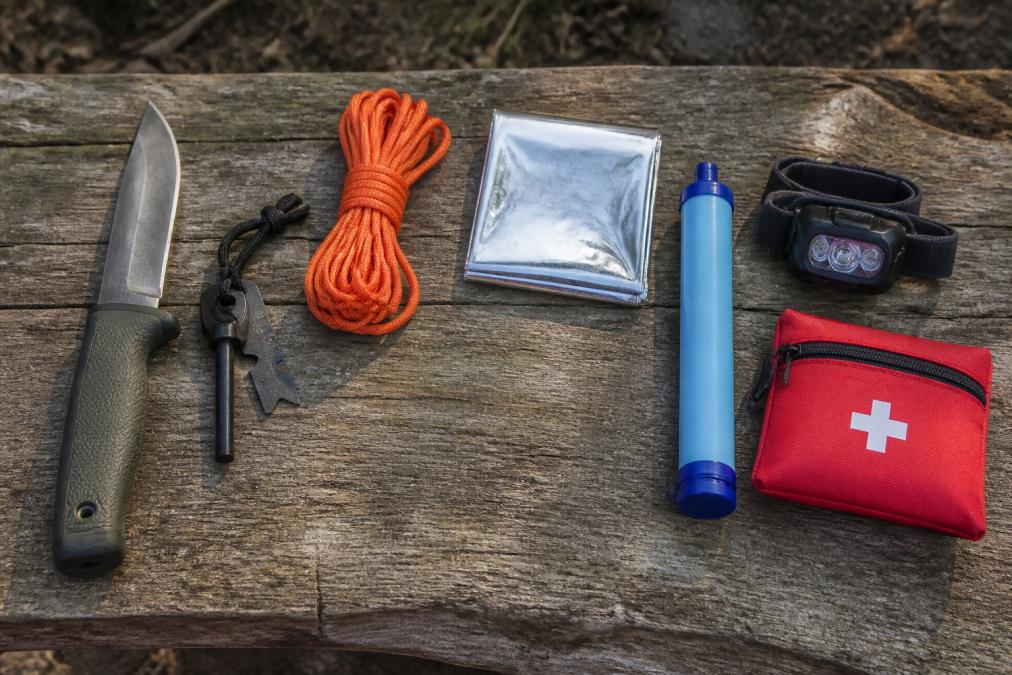
1. LifeStraw Personal Water Filter, Water Purification First
Water purification is the single highest-priority item in any beginner survival kit. Natural water sources carry bacteria, parasites, and microplastics invisible to the eye. The LifeStraw Personal Water Filter weighs less than 2 ounces, filters up to 1,000 gallons from natural sources, removing 99.999999% of bacteria including E. coli and Salmonella, and 99.999% of parasites including Giardia and Cryptosporidium. It costs $17.95 with unlimited shelf life when stored properly. No setup, no chemicals, no waiting, drink directly from the source.
2. Morakniv Companion Fixed Blade Knife, Cutting Tool for Every Task
A fixed blade knife is the most versatile cutting tool a beginner can carry. The Morakniv Companion features a 4.1-inch Swedish steel blade, ergonomic polymer handle with friction grip, and durable plastic sheath with belt clip, priced $13 to $24.99. Carbon steel holds an edge longer but requires maintenance; stainless is more forgiving for beginners. It handles fire prep, shelter building, food preparation, and rope cutting.
Never use a knife as a pry bar or hammer substitute in the field. The most common beginner knife failure is using the wrong tool for a job and snapping the handle.
3. Magnesium Fire Starter, Reliable Fire Starting in Any Weather
Fire starting is one skill where gear quality directly determines success or failure in dark, wet, and cold conditions. A magnesium fire starter works by scraping magnesium shavings to create a tinder pile, then striking sparks into it. The UST Sparkie Fire Starter offers one-handed operation for $8 to $15.72 and works in rain, snow, and high altitude. Practice at home before you need this in the field. According to Leave No Trace Center for Outdoor Ethics, fire safety and preparation practices are among the most important skills for responsible wilderness use.
4. Emergency Mylar Thermal Blanket, Shelter and Thermal Regulation
Hypothermia is a threat in temperatures well above freezing, particularly when wet or exhausted. An emergency Mylar thermal blanket reflects up to 90% of body heat, is waterproof and windproof, and folds to a pocket-sized package for $1 to $7.99. Beyond warmth, it functions as a rain tarp, ground cover, or signaling mirror. Carry two, the weight penalty is negligible and the redundancy is worth it.
5. 550 Paracord, The Most Versatile Item in Your Kit
550 paracord is a survival essential most beginners underestimate. Type III nylon paracord carries a 550-pound tensile strength, contains seven inner strands that can be separated for finer cordage tasks, and costs as little as $1.99 for a short length. Applications include shelter rigging, gear repair, improvised splints, fishing line, and clothesline for drying wet gear. Learn a bowline, clove hitch, and trucker’s hitch before you go.
6. Compact First Aid Kit, Emergency Preparedness Baseline
A compact first aid kit is the emergency preparedness baseline no beginner should skip. The First Aid Only 260-Piece kit covers cuts, scrapes, burns, swelling, and pain management in an organized zippered case for $20 to $35. Supplement with a tourniquet, hemostatic gauze, and a SAM splint for backcountry trips beyond a day hike.
A first aid kit you cannot find items in is nearly as useless as no kit at all. Practice locating each component in low light before your first trip.
7. Tactical Headlamp or Flashlight, Navigation After Dark
Navigation after dark is where beginners most often find themselves in trouble. A headlamp keeps both hands free for terrain navigation. For most beginners, a quality headlamp in the $25 to $50 range serves the core function at lower weight. Prioritize at least 200 lumens on high, a red-light mode to preserve night vision, and a runtime of at least 8 hours on medium brightness. Always carry spare batteries sealed in a plastic bag.
8. Satellite Communicator, Signaling and Emergency SOS
The Garmin inReach Mini 2 is the most expensive item on this list at $399.99 for the device plus satellite subscription plans starting at $14.95 per month. Two-way global messaging via the Iridium satellite network means you can communicate from anywhere on Earth. The interactive SOS connects directly to the Garmin International Emergency Response Coordination Center. For any trip beyond a single day hike in a well-trafficked area, this is the signaling tool that makes the difference between a rescue and a recovery.
Gear Weight-to-Utility Ratio: What Beginners Should Prioritize
The biggest mistake in beginner kit building is optimizing for coverage rather than utility. A kit that covers every conceivable scenario but weighs 15 pounds will get left in the car when you need it most. Rank each item by the severity of the problem it solves and the likelihood of encountering that problem in your specific environment.
| Item | Weight | Utility Score | Priority Tier |
|---|---|---|---|
| LifeStraw Water Filter | Under 2 oz | High, daily use possible | Essential |
| Morakniv Knife | 4.1 oz | High, dozens of applications | Essential |
| Magnesium Fire Starter | Under 2 oz | High, warmth, signaling, cooking | Essential |
| Mylar Thermal Blanket | Under 2 oz | High, shelter, signaling, warmth | Essential |
| 550 Paracord (50 ft) | 3 oz | High, unlimited applications | Essential |
| Compact First Aid Kit | 8-12 oz | High, injury management | Essential |
| Headlamp | 3-5 oz | Medium-High, navigation, signaling | Essential |
| Satellite Communicator | 3.5 oz | Lower probability, maximum severity | Recommended |
Wilderness Survival Kit Checklist for New Adventurers
A wilderness survival kit checklist gives beginners a concrete starting point.
Core Survival Essentials:
- Water filter (LifeStraw or equivalent)
- Water purification tablets (backup)
- Fixed blade knife
- Magnesium fire starter
- Backup lighter (sealed in waterproof bag)
- Natural tinder kit (cotton balls with petroleum jelly)
- Emergency Mylar thermal blanket (two recommended)
- 550 paracord, minimum 50 feet
- Compact first aid kit
- Headlamp with spare batteries
- Satellite communicator or personal locator beacon
Navigation and Signaling:
- Topographic map of the area (printed, waterproofed)
- Baseplate compass
- Signaling mirror
- Emergency whistle (three blasts is the universal distress signal)
Shelter and Thermal Regulation:
- Emergency bivy or Mylar blanket
- Lightweight tarp (optional for multi-day)
- Layering system appropriate to season
According to the National Park Service’s backcountry safety guidelines, proper preparation including navigation tools and emergency signaling equipment significantly reduces the risk of wilderness emergencies.
How to Build a Bug Out Bag on Any Budget
Building a bug out bag requires prioritization. Buy the best version of the highest-priority items first, and fill in lower-priority items over time with budget alternatives. Start with essentials that solve the three most common backcountry killers: dehydration (water filter), hypothermia (thermal blanket and fire starter), and disorientation (compass, map, and headlamp). These six items can be assembled for under $75 if you choose entry-level versions.
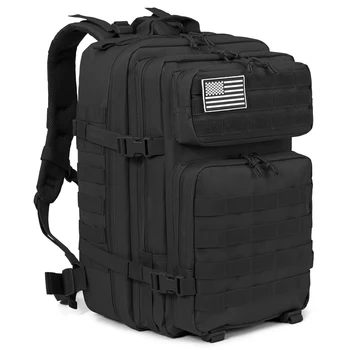
The bag itself matters. A tactical backpack with organized compartments, load-bearing hip belt, and weather-resistant construction makes the difference between a kit you can actually access under stress and one you have to dump out to find anything. Adventurers Pulse offers a curated selection of tactical backpacks engineered for this kind of load, with compartment systems designed so critical gear is always within reach.
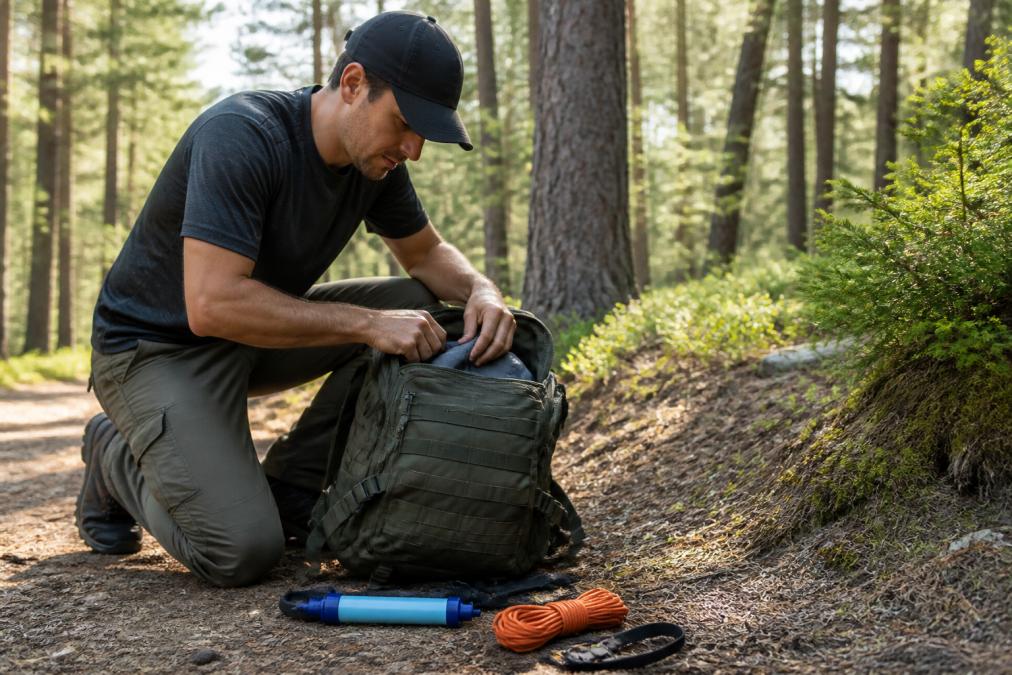
Budget-Friendly DIY Alternatives for New Survivalists
Several high-priority survival items have effective DIY alternatives that cost almost nothing. Cotton balls saturated with petroleum jelly ignite reliably even in wet conditions for under $2. A heavy-duty orange contractor trash bag weighs almost nothing, packs small, and functions as a rain poncho, ground cover, or improvised bivy for under $1. A standard whistle carries farther than the human voice and costs $2 to $5. A standard 1-liter wide-mouth bottle pairs with a LifeStraw for a complete hydration system at minimal cost.
The one area where budget alternatives consistently underperform: cutting tools. A cheap knife with a poor edge and unreliable handle is genuinely dangerous in the field. Spend appropriately on the Morakniv and save money on items where DIY works.
Survival Mindset: The Tool Beginners Most Often Overlook
The most important survival tool is psychological preparedness, and it weighs nothing. Research from wilderness medicine practitioners consistently shows that survivors of backcountry emergencies share one trait: they did not panic in the first 30 minutes.
Practice using your gear before you need it. Light fires with your magnesium starter in your backyard. Purify water from a local creek on a day hike. Navigate with map and compass before relying on GPS. Familiarity with your tools under low-stress conditions translates directly into competence under high-stress ones. As the Wilderness Medical Society’s clinical practice guidelines document, decision-making quality under stress is directly linked to prior training and scenario familiarity.
Run a “kit audit” before every trip. Pull out each item, confirm it works, and mentally rehearse the scenario where you would use it. This takes 10 minutes and builds the muscle memory that matters when conditions deteriorate.
Choosing the Best Survival Tools for Beginners by Region
Regional-specific survival gear is where generic lists fall short. The best survival tools for beginners in a Pacific Northwest rainforest are not the same as those for the Sonoran Desert or the Rocky Mountain backcountry.
Pacific Northwest and Coastal Forests: Waterproofing is the priority. Every item should be stored in dry bags or waterproof pouches. Fire starting is harder due to persistent moisture; carry two fire starters and pre-made tinder. Hypothermia risk is high even in summer.
Desert Southwest: Water capacity trumps almost everything else. A LifeStraw alone is insufficient when water sources are miles apart. Carry a minimum 3-liter hydration system and know your water source locations before departure.
Rocky Mountain and Alpine: Altitude changes weather patterns rapidly. Thermal regulation gear must account for temperature swings of 40 degrees or more within a single day. Navigation tools matter more at altitude where terrain features are less distinct.
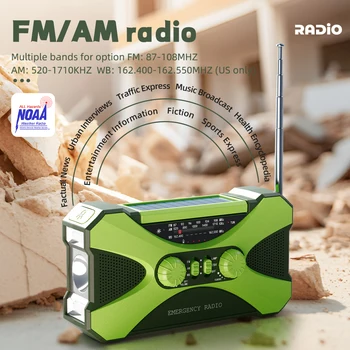
Great Plains and Midwestern Forests: Tornado and severe storm awareness is specific to this region. A weather radio or satellite communicator with weather alerts becomes a higher priority.
The core kit remains the same across all regions. What changes is the emphasis, quantities, and backup systems. According to the U.S. Forest Service’s recreation safety resources, region-specific preparation and knowledge of local hazards is among the most effective factors in preventing backcountry emergencies.
Building a complete survival kit takes time, and starting with the right foundation makes every subsequent addition more effective. Adventurers Pulse curates survival tools and tactical backpacks engineered for durability and real-world performance, with a selection built specifically for outdoor enthusiasts who want to go prepared rather than go hopeful. Explore the full collection at Adventurers Pulse and build a kit you can trust before your next expedition.
Frequently Asked Questions
What are the 10 essentials for wilderness survival?
The 10 wilderness survival essentials are: a navigation tool (map and compass), sun protection, insulation (extra layers), illumination (headlamp or flashlight), first aid supplies, fire starting tools, a repair kit and cutting tool, nutrition (emergency rations), hydration (water filter or purification tablets), and emergency shelter such as a mylar blanket or bivy. These cover the core threats, exposure, dehydration, injury, and getting lost, that beginners face most often in the backcountry.
What should be in a beginner's survival kit?
A solid beginner survival kit includes a water filter like the LifeStraw, a fixed blade knife, a magnesium fire starter, a mylar emergency blanket, 550 paracord, a compact first aid kit, a headlamp with spare batteries, and a whistle or signaling mirror. Start with these eight items before adding extras. Each one addresses a specific survival priority, water, fire, shelter, cutting, and signaling, and the full set can fit inside a small tactical bag.
What is the most important tool for survival?
Water purification consistently ranks as the most critical survival priority. The human body can last only about three days without water, far less in hot or high-altitude conditions. A tool like the LifeStraw filters 99.999999% of bacteria and parasites from natural water sources and weighs under 2 ounces, making it the highest utility-to-weight item in any wilderness survival kit. A cutting tool and fire starter follow closely as the next most essential items.
How do I choose reliable survival gear as a beginner?
Focus on three criteria: proven function, weight, and versatility. Gear that performs one critical task extremely well beats multi-function gadgets that do several things poorly. Check that each item works in wet or cold conditions before you need it in the field, test your fire starter, filter, and shelter at home first. For beginners, starting with a short list of high-quality essentials beats buying a large kit full of items you don't know how to use.
How much should a beginner spend on survival gear?
A functional beginner kit covering water, fire, shelter, cutting, and signaling can be assembled for well under $150 if you prioritize proven basics over premium upgrades. The LifeStraw starts at $17.95, a Morakniv knife runs $13-$25, and a magnesium fire starter and mylar blankets cost very little. Reserve budget for higher-cost items like a satellite communicator once you're doing longer or more remote expeditions. Visit Adventurers Pulse for current pricing on curated beginner kits.
This article was written using GrandRanker



0 Comments