
Table of Contents
- Why Cheap Tactical Gear Fails Under Real Conditions
- The Hidden Costs of Budget Tactical Equipment
- How to Spot High-Quality Tactical Gear Before You Buy
- Common Tactical Gear Mistakes That Lead to Early Failure
- Material Quality and Durability Standards That Matter
- Best Tactical Backpacks for 2026: What Separates Quality From Cheap
- Field Testing and Real-World Performance Expectations
- Conclusion
Last Updated: August 30, 2026
Why Cheap Tactical Gear Fails Under Real Conditions
Cheap tactical gear fails because it’s engineered to look functional, not perform under stress. The difference becomes obvious the moment you load it with real weight, move through difficult terrain, or expose it to environmental extremes. The pattern is consistent: cost-cutting shows up in predictable places. Seams separate under load. Zippers jam or break. Synthetic fabrics degrade in sunlight. Hardware fails at critical moments.
Understanding why cheap tactical gear fails matters because the consequences aren’t theoretical. A failed backpack strap on a three-day wilderness trip isn’t an inconvenience, it’s a safety issue. The real cost of cheap gear isn’t the initial purchase price. It’s the replacement cost, the trip you can’t take because your equipment failed, and the risk you accept by trusting gear that wasn’t built to handle what you’re actually doing.
The Hidden Costs of Budget Tactical Equipment
Budget equipment carries costs that extend far beyond the initial price tag. A cheap backpack might cost half as much as a quality alternative, but if it fails after two trips instead of lasting five years, you’re actually paying more per use.
The second cost is performance degradation. Budget gear doesn’t just fail suddenly; it degrades gradually. Zippers become harder to operate. Straps lose their structural integrity. Fabric starts to fray at stress points. You spend increasing amounts of time managing broken equipment instead of focusing on your actual activity.
The third cost is opportunity cost. When you don’t trust your gear, you limit what you’re willing to attempt. You avoid longer trips because you’re uncertain whether your equipment will hold up. You skip challenging terrain because you’re worried about gear failure. Quality tactical gear expands what you can do; cheap gear contracts your options.
The fourth cost is safety risk. Failing gear in a remote environment creates genuine hazards. A broken pack strap forces you to redistribute weight unevenly, potentially causing injury. Failed load-bearing systems can cause you to drop critical equipment. In survival situations, gear failure can escalate minor problems into serious ones.
How to Spot High-Quality Tactical Gear Before You Buy
Identifying high-quality tactical gear requires knowing what to look for at the point of purchase.
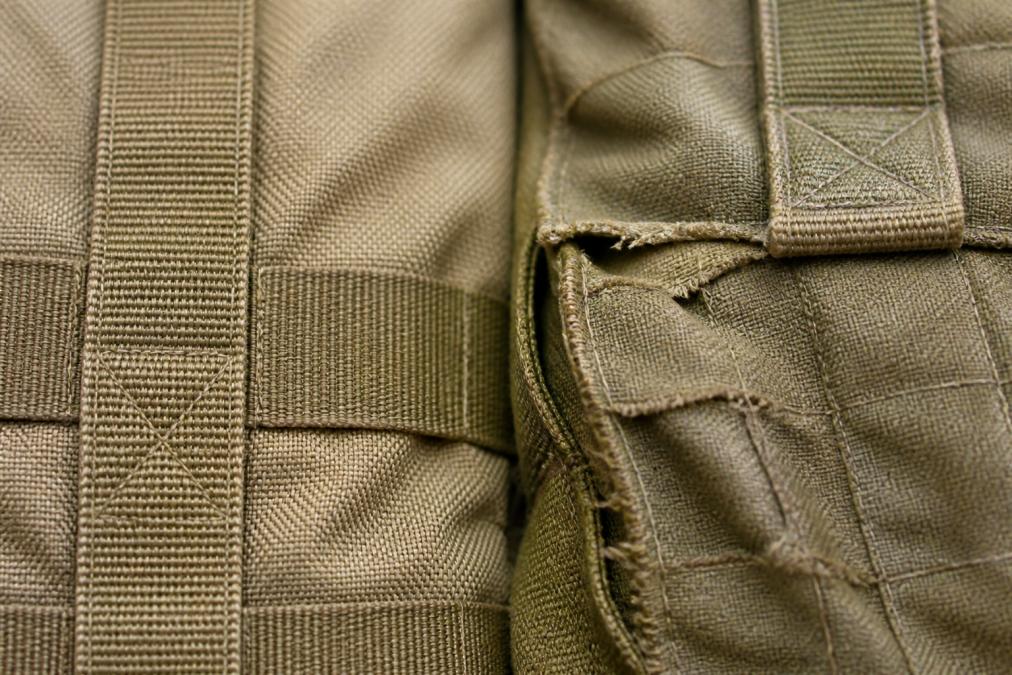
Start with stitching integrity. Examine seams closely; they should be straight, consistent, and tight. Look for double stitching at stress points like shoulder attachments, pack bottom corners, and strap connections. Press on seams to see if they flex or separate. Quality seams should be rigid and secure.
Next, evaluate fabric weight and weave. Run your hand across the material; it should feel dense, not thin or flimsy. Hold it up to light and look through it. Quality tactical fabrics have tight weaves that block light. Check the fabric specification if available; heavier denier (measured in D) indicates thicker, more durable material.
Examine hardware closely. Zippers should have smooth, aligned teeth with no gaps. Pull the slider multiple times to ensure it moves freely without catching. Metal hardware should be substantial and corrosion-resistant. Plastic hardware should feel rigid, not flimsy.
Check load-bearing design. Quality tactical gear distributes weight across multiple attachment points and uses structured materials to maintain shape under load. Feel the interior; there should be structured padding or material at stress points. Look at how straps are attached; they should connect to reinforced sections, not just sewn to the outer fabric.
Inspect organizational features for durability. Pockets should have reinforced edges and secure closures. Molle webbing should be securely attached with multiple stitching lines. Look for bartacking (tight stitching patterns) at corners and stress points.
Test weight distribution by wearing the gear if possible. Quality tactical gear should distribute weight evenly across your shoulders and back without excessive shifting. Straps should be padded and contoured.
Common Tactical Gear Mistakes That Lead to Early Failure
Understanding common failure patterns helps you avoid cheap gear and recognize what actually causes equipment to break prematurely.
The first mistake is underestimating load-bearing requirements. Cheap gear is often designed for light loads and casual use. When you actually load it with survival equipment or multi-day supplies, the seams and attachment points experience forces they weren’t engineered to handle. Quality gear is engineered with load safety margins.
The second mistake is ignoring material degradation patterns. Synthetic fabrics break down under UV exposure, moisture, and temperature cycling. Cheap gear uses lower-quality synthetics that degrade faster. Quality gear uses UV-stabilized, treated fabrics that maintain performance over years of exposure.
The third mistake is trusting appearance over construction. A backpack can look professional and tactical without being functional. Many cheap gear manufacturers focus on aesthetics while cutting corners on the materials and construction that actually determine durability.
The fourth mistake is not field-testing before committing. Cheap gear often fails in ways that only become obvious during actual use. A zipper that works fine in your living room might jam when you’re wet and tired on a trail. A strap that feels secure might slip under the stress of a loaded pack.
The fifth mistake is underestimating the importance of ergonomic fit. Cheap gear is often manufactured to generic sizing that doesn’t account for load distribution or body shape variation. Poor fit creates stress concentrations that cause gear to fail faster.
Material Quality and Durability Standards That Matter
Material selection is the primary determinant of whether gear lasts or fails.
Fabric weight matters significantly. Quality tactical fabrics typically range from 500D (denier) to 1000D or higher (peer-reviewed research). The denier measurement indicates yarn thickness and density. Lower-denier fabrics (100D-300D) are lighter but less durable and prone to abrasion. Cheap gear often uses ultra-light, low-denier fabrics to minimize material cost.
Synthetic fabric types matter. Nylon is common in quality tactical gear because it’s strong and resistant to abrasion. Polyester is cheaper but less durable. Cordura is specifically engineered for durability in demanding applications. Cheap gear often uses generic polyester or unbranded synthetics.
Stitching quality determines whether seams hold under stress. Cheap gear uses single-line stitching, which fails when one thread breaks. Quality gear uses double stitching or reinforced stitching patterns. Bartacking, tight, dense stitching in rectangular patterns, is used at stress points in quality gear.
Zipper durability varies dramatically. Cheap gear uses plastic or low-grade metal zippers that jam, break, or separate. Quality tactical gear uses heavy-duty zippers with metal sliders and reinforced pull tabs. YKK and similar industrial-grade zippers are standard in quality gear (astm.org).
Hardware attachment matters. Quality gear uses reinforced attachment points where hardware connects to fabric. Cheap gear often glues hardware or uses minimal stitching, which fails under load.
Padding and internal structure affect load distribution. Quality tactical gear uses structured padding or foam at load-bearing points. Cheap gear often has minimal padding or uses thin, low-density foam that compresses quickly.
Water resistance and treatment matter for gear longevity. Quality gear uses treated fabrics that repel water and resist degradation from moisture. Treatments like DWR (durable water repellent) coating protect fabrics (astm.org). Cheap gear often has untreated synthetic fabrics that absorb water, which accelerates degradation.
Best Tactical Backpacks for 2026: What Separates Quality From Cheap
The tactical backpack market clearly demonstrates the difference between quality and cheap gear.
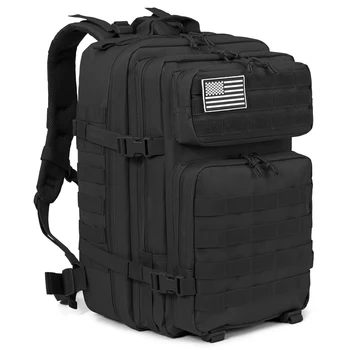
Quality tactical backpacks prioritize load distribution over appearance. They feature structured frames that keep weight centered on your hips and shoulders. The frame material should feel solid and maintain shape under load. Cheap backpacks often skip internal frames or use flimsy, flexible frames.
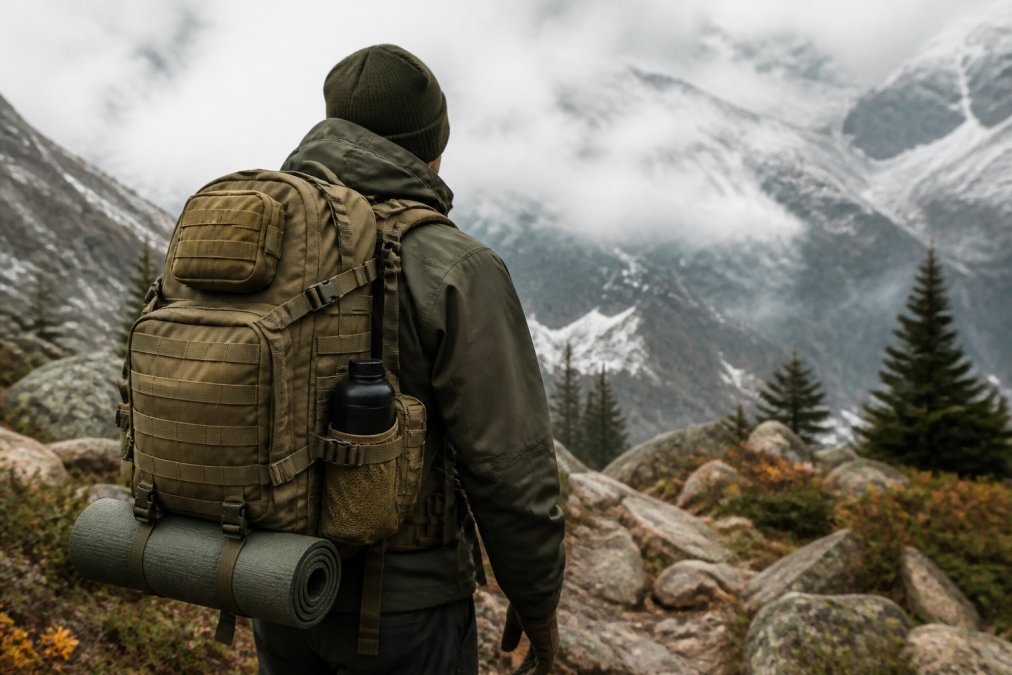
Shoulder strap design separates good backpacks from poor ones. Quality packs use contoured, padded straps that distribute weight across your shoulders without creating pressure points. Cheap backpacks use thin, flat straps that concentrate pressure and dig into shoulders.
Organizational features in quality gear are functional, not just aesthetic. Multiple compartments should have reinforced zippers and secure closures. Molle webbing should be densely woven and securely attached. Internal organization should include compartments that keep gear organized and accessible.
Capacity and weight distribution balance matters. Quality backpacks come in specific sizes designed for different trip lengths. A 30-liter pack is sized for day trips, a 50-liter for multi-day trips, and a 70-liter for extended expeditions. Quality gear is designed so the weight capacity matches the pack’s structural ability to safely carry it.
Material durability in quality packs means they can handle years of use. The best tactical backpacks use 500D-1000D fabrics, heavy-duty zippers, and reinforced stitching throughout. They’re designed for abrasion resistance because they’ll be dragged across rocks and rough terrain.
Warranty and support differ significantly. Quality tactical gear manufacturers typically offer warranties that cover manufacturing defects and often provide repair services. Cheap gear manufacturers rarely offer meaningful warranties.
Field Testing and Real-World Performance Expectations
Understanding how gear actually performs in the field helps you evaluate whether cheap equipment will meet your needs.
Real-world performance testing reveals failures that inspection won’t show. A backpack that feels secure in your home might shift uncomfortably on a trail. Zippers that work smoothly when dry might jam when wet. Seams that appear solid might separate under the stress of a loaded pack on uneven terrain.
Environmental stress testing matters because gear experiences multiple stress types simultaneously. Moisture combined with temperature cycling accelerates fabric degradation. UV exposure combined with abrasion causes synthetic fabrics to weaken. Cheap gear often fails under combined stresses that quality gear handles routinely.
Load-bearing performance varies based on actual weight and distribution. Quality gear is designed with safety margins; a 50-pound capacity pack can safely handle 50 pounds without risk of failure. Cheap gear often operates at its limits with no margin for error.
Durability timelines differ dramatically. Quality tactical gear is designed for decades of use with proper maintenance. You should expect a well-made backpack to last 10+ years. Cheap gear typically fails within 2-5 years of regular use.
Repairability versus replaceability matters for long-term value. Quality gear is designed to be repaired. Seams can be re-stitched. Zippers can be replaced. Straps can be reattached. Cheap gear is often designed to be disposable, with repairs costing nearly as much as replacement.
The difference between cheap tactical gear and quality equipment comes down to engineering, materials, and construction methods that determine whether your gear survives or fails. Cheap gear fails because manufacturers cut corners on the specific elements, stitching, fabric, hardware, and design, that determine durability under real conditions.
Adventurers Pulse specializes in tactical backpacks and survival equipment engineered for durability and performance. Our gear is built with reinforced stitching, heavy-duty materials, and structured load-bearing systems designed to handle multi-day expeditions and challenging terrain. When you invest in quality gear from Adventurers Pulse, you’re choosing equipment that won’t fail when it matters most. Shop Now and explore gear designed to last through years of adventure.
Frequently Asked Questions
Q: What are the most common failure points in low-quality tactical backpacks?
A: Budget tactical backpacks typically fail at stress concentration points: zipper hardware separates from fabric, seams split under load, and polymer straps degrade under UV exposure. The molle webbing often tears away from the pack body, and load-bearing straps lack proper reinforcement at attachment points. Cheap gear often uses single-stitched seams instead of double or triple stitching, which collapses under the weight of field equipment. Testing these areas before purchase, by applying manual stress to zippers, pulling on straps, and examining seam density, reveals whether a pack will survive actual use.
Q: How do I know if tactical gear is authentic or a knockoff?
A: Authentic tactical gear has consistent, tight stitching with no loose threads, crisp logo printing or embroidery, and hardware that feels substantial and moves smoothly. Knockoffs show irregular stitching patterns, blurry or poorly aligned logos, and lightweight hardware that feels hollow. Examine the material directly: real military-grade fabrics have uniform weave density and proper abrasion resistance, while cheap synthetics feel thin and flimsy. Check seam stress points, authentic gear reinforces these areas with bar-tacks or additional stitching layers. If a price seems unusually low compared to established retailers, verify the seller's reputation and request close-up photos of stitching and hardware before committing.
Q: Is cheap tactical gear worth buying for casual weekend camping?
A: Cheap tactical gear may handle light weekend use initially, but fails faster than quality alternatives when exposed to repeated stress, weather, and load-bearing demands. Even casual campers benefit from gear that lasts multiple seasons, replacing a failed backpack or torn pack after two trips costs more than investing in durable equipment upfront. Quality gear distributes load properly, reducing shoulder and back strain during hikes. The real value isn't in flashy features but in stitching integrity, material durability, and hardware reliability that survive actual field conditions over years of use, not months.
Q: What material differences make tactical gear more durable?
A: Military-grade synthetic fabrics like Cordura and ballistic nylon have high tensile strength and abrasion resistance, resisting tears and punctures that destroy cheap polyester. These materials maintain integrity under UV degradation and moisture exposure, while budget synthetics become brittle and weak. Quality gear uses reinforced stitching with high thread count and proper seam construction, whereas cheap alternatives use single-ply thread that breaks under load. Hardware, zippers, buckles, and attachment points, matters significantly: real YKK or ITW zippers operate smoothly under stress, while cheap zippers jam and separate. Examining fabric weight, thread quality, and hardware brand before purchase reveals whether gear will endure field performance demands.
This article was written using GrandRanker



0 Comments