
Table of Contents
- What Makes Hiking Equipment Durable
- Essential Hiking Gear Checklist for Beginners
- Best Hiking Gear Brands for Durability
- How to Maintain Hiking Equipment for Long-Term Performance
- New vs. Used Equipment: Cost-Per-Use Analysis
- Budget-Friendly Gear Alternatives Without Sacrificing Durability
- How to Evaluate Durable Hiking Equipment Before Buying Online
- Conclusion
What Makes Hiking Equipment Durable
Durability in hiking gear comes down to material science, construction methods, and honest design choices. True durable equipment combines three elements: material quality, thoughtful engineering, and repairability. A backpack built with ripstop fabric and reinforced stress points survives repeated use where cheaper alternatives fail. Trekking poles made from carbon fiber or quality aluminum resist bending on rocky terrain. Boots with Vibram outsoles maintain grip long after budget alternatives wear smooth.
At Adventurers Pulse, the most reliable gear shares a common trait: it’s designed for repair, not replacement. Brands using modular components and replaceable parts build loyalty because users can maintain equipment instead of discarding it. This approach reflects genuine sustainability, keeping gear functional longer reduces waste and improves cost-per-use over time. The best hiking equipment balances weight, protection, and longevity. Waterproof fabrics with sealed seams prevent degradation from moisture, while load-bearing capacity exceeding your typical pack weight keeps straps and frames intact on demanding expeditions.
Essential Hiking Gear Checklist for Beginners
Starting your hiking journey requires gear that won’t fail when you need it most. A solid foundation includes a properly fitted backpack, reliable footwear, weather-appropriate clothing layers, navigation tools, and emergency preparedness items. Each category matters equally, a great backpack paired with poor boots creates problems on the trail.
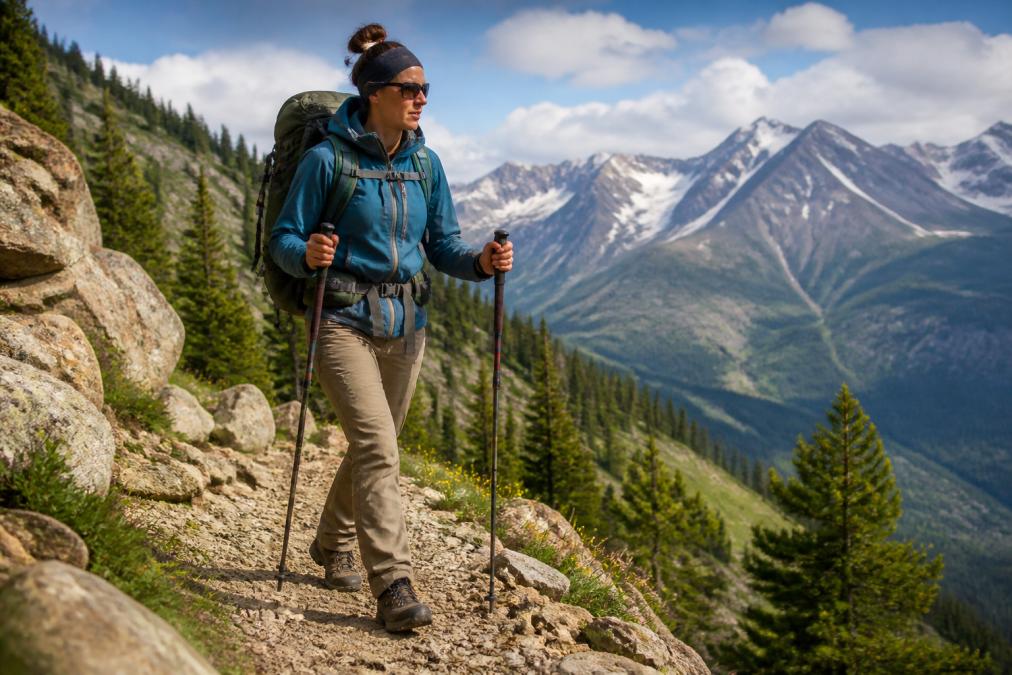
Backpack Selection and Load-Bearing Features
Your backpack is your foundation. It must distribute weight evenly and support your back without strain. Look for packs with padded waist belts that transfer load to your hips, this is where engineering matters most. A quality waist belt reduces shoulder and neck strain compared to packs relying solely on shoulder straps (peer-reviewed research).
Backpack capacity depends on trip length: day hikes need 15-25 liters, multi-day expeditions need 40-65 liters. The Tough Traveler Cloudsplitter offers 65-liter capacity with a padded waist belt and internal frame design that keeps weight close to your body. Its 1000D Cordura fabric resists abrasion from rocky terrain. Internal frame packs sit closer to your back, improving balance on technical terrain. Check that your pack has multiple compression straps to stabilize the load and prevent shifting during steep descents. Hydration compatibility matters on longer hikes, your pack should accommodate a hydration reservoir or have external attachment points for water bottles.
Footwear and Trail-Ready Apparel
Invest in boots or hiking shoes designed for your terrain. The Merrell Moab 3 Mid Waterproof boots combine waterproof protection with a Vibram TC5+ outsole that grips wet rock and muddy slopes. Mid-height boots provide ankle support without the weight penalty of full mountaineering boots. Break in footwear before major trips on short day hikes first.
Quality hiking socks, merino wool or synthetic blends, wick moisture and reduce friction. Cotton socks absorb sweat and cause blisters; avoid them entirely. Layering systems manage temperature and moisture: start with a moisture-wicking base layer, add an insulating mid-layer (fleece or down), and finish with a waterproof outer shell.
Navigation, Safety, and Emergency Preparedness
Carry a map, compass, and GPS device. Paper maps don’t require batteries, while GPS units provide precise location data but depend on battery life. Emergency preparedness begins with a first aid kit tailored to your environment. For remote areas, add a satellite communicator like a Garmin inReach for emergency contact when cellular service disappears.
A headlamp like the Black Diamond Spot 400-R provides 400 lumens with rechargeable battery and waterproof rating, essential for unexpected night hiking. Trekking poles reduce joint stress on descents and provide stability on uneven terrain. The Montem Ultra Light 3K Carbon Fiber poles weigh under 11 ounces per pair while offering excellent strength. Water filtration prevents waterborne illness, the Sawyer Squeeze removes 99.99999% of bacteria and 99.9999% of protozoa, rated for 100,000 gallons.
Best Hiking Gear Brands for Durability
Not all outdoor brands prioritize durability equally. Some chase lightweight trends at the expense of longevity. Others build gear meant to last decades. The brands covered here have established track records of field-tested performance and warranty support.
Premium Backpacks: Tough Traveler Cloudsplitter
The Tough Traveler Cloudsplitter represents American-made durability. Built with 1000D Cordura fabric and reinforced stress points, this pack survives decades of use. The internal frame design distributes weight efficiently, and the padded waist belt transfers load to your hips. Tough Traveler offers repair services, replacing worn components instead of requiring replacement. The lifetime design philosophy means you’re not buying a disposable product. The 65-liter capacity suits multi-day expeditions with multiple organizational pockets to prevent gear from shifting during steep terrain.
Trail-Tested Footwear: Merrell Moab 3
The Merrell Moab 3 Mid Waterproof boots balance comfort, protection, and durability. The Vibram TC5+ outsole grips wet surfaces better than generic rubber, while waterproof membranes keep feet dry in rain and stream crossings. These boots require minimal break-in compared to traditional hiking boots. The Kinetic Fit Advanced insole provides arch support and heel cushioning, reducing fatigue on long hikes. Merrell boots typically last for a significant number of miles before the outsole shows significant wear, for casual hikers, a pair can last for many years.
Sleeping Systems and Shelter: MSR and Western Mountaineering
The MSR Hubba Hubba NX 2-Person tent balances weight and livability. Its freestanding design means you don’t need stakes to set up, crucial on rocky terrain. Two large doors and vestibules provide storage space. MSR tents use quality fabrics that resist UV degradation and moisture penetration with a three-season rating.
Western Mountaineering sleeping bags use 850+ fill power goose down, providing warmth without bulk (peer-reviewed research). The continuous baffle design lets you shift down internally to adjust warmth. A 20°F comfort rating suits most three-season backpacking. Down loses insulating value when wet, so pair it with a waterproof tent and sleeping pad.
Navigation and Technical Gear
The Black Diamond Spot 400-R headlamp provides 400 lumens with rechargeable battery and waterproof construction. PowerTap technology allows instant brightness adjustment with 60+ hours battery life on low settings. Montem Ultra Light 3K Carbon Fiber trekking poles weigh under 11 ounces per pair. Carbon fiber resists corrosion better than aluminum and transmits less vibration. The flick-lock mechanism adjusts length quickly for changing terrain, with cork grips that absorb sweat.
How to Maintain Hiking Equipment for Long-Term Performance
Gear maintenance determines whether equipment lasts one season or a decade. Simple practices extend lifespan dramatically and catch problems before they become failures.
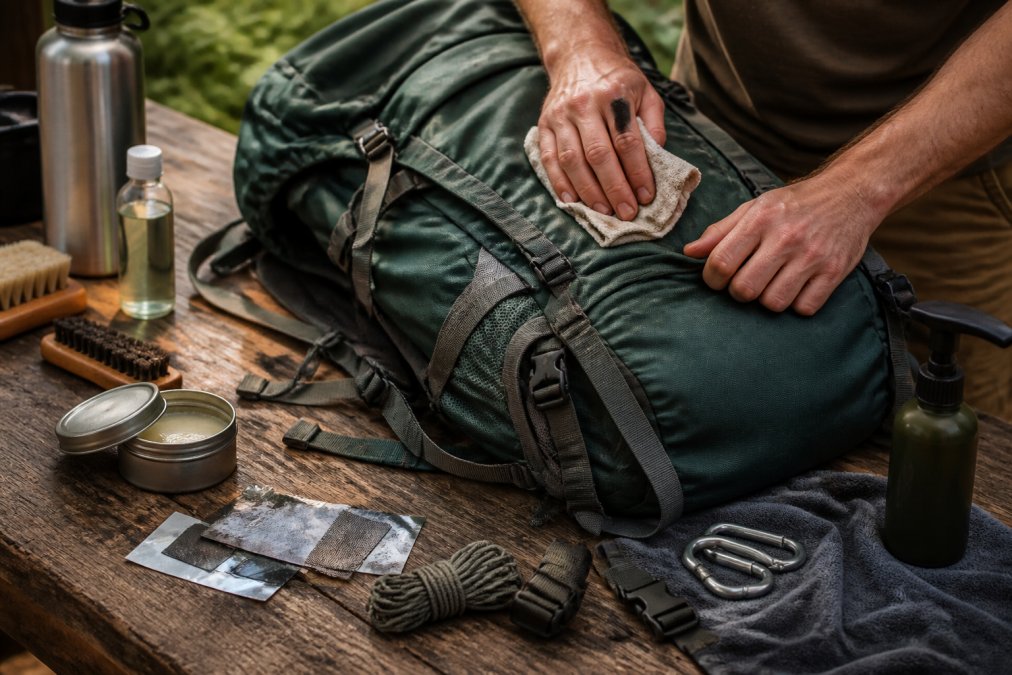
Gear Maintenance and Repair Basics
Clean gear after every trip. Remove dirt, sand, and organic matter that accelerates degradation. Rinse backpacks with fresh water and air-dry completely before storage. Inspect seams and stress points regularly, small tears expand into major failures if left unattended. Repair kits designed for your gear type allow field fixes on the trail. Seam sealer restores waterproofing after repairs. Most quality gear manufacturers sell replacement components, straps, zippers, frames, that cost far less than new equipment.
Boots require special attention. Dry them naturally after wet hikes; direct heat damages adhesives. Clean dried mud with a soft brush and apply waterproofing treatments annually. Replace worn insoles before the original sole separates. Sleeping bags need gentle care, store them uncompressed in breathable bags to preserve loft. Wash bags only when necessary using specialized down or synthetic cleaner. Trekking poles benefit from occasional inspection of lock security and grip condition. Replacement tips are inexpensive and extend pole life indefinitely.
Storage and Seasonal Gear Rotation
Proper storage prevents damage between trips. Keep gear in cool, dry locations away from direct sunlight. UV exposure degrades fabrics and polymers over time. Rotate gear seasonally to distribute wear. If you own multiple sleeping bags, alternate between them to extend each bag’s lifespan. Store batteries separately from electronics during off-season and charge rechargeable batteries every 2-3 months to maintain health (the FDA).
New vs. Used Equipment: Cost-Per-Use Analysis
The cost-per-use calculation reveals true value. An expensive backpack used 50 times over 10 years costs less per use than a budget pack used 20 times over 3 years before failure. New equipment comes with manufacturer warranties, typically 1-3 years depending on brand and product type.
Used equipment can cost less than new alternatives. The secondhand market for hiking gear is strong. Check condition carefully; worn straps or faded fabric don’t indicate durability problems, but cracked frames or broken zippers suggest heavier use. A five-year-old backpack with light use might have many years remaining. Premium backpacks tend to retain a significant portion of their purchase price after several years, while budget packs retain less. This difference means expensive gear can become affordable used gear for future buyers, creating a sustainable gear ecosystem.
Budget-Friendly Gear Alternatives Without Sacrificing Durability
Durability doesn’t require premium pricing. Smart shopping identifies quality gear at reasonable costs. Focus on essential items first, backpack, boots, shelter, before upgrading accessories. Store-brand gear from established retailers often matches performance of premium alternatives. REI Co-op products offer solid durability at lower prices.
Previous-year models offer significant discounts as manufacturers release new versions annually. Performance differences are often minimal. Online retailers frequently discount outdoor gear with seasonal sales. Synthetic insulation costs less than down while retaining warmth when damp. Aluminum trekking poles cost less than carbon fiber while offering excellent durability, the weight difference matters less for casual hikers.
How to Evaluate Durable Hiking Equipment Before Buying Online
Online shopping eliminates face-to-face assessment. Smart evaluation strategies reduce risk and increase satisfaction.
Reading Technical Specifications and Warranty Coverage
Material composition reveals durability potential. Backpack fabric rated in Denier (D) indicates thickness and durability, 500D is lightweight, 1000D is heavy-duty. Hiking packs typically use 400-1000D depending on intended use. Seam types matter: flat-felled seams are stronger than simple stitching, and taped seams add waterproofing.
Warranty terms reveal manufacturer confidence. Lifetime warranties suggest durability, while limited warranties (1-3 years) are standard. Read exclusions carefully, many warranties don’t cover wear from normal use. Return policies matter for online purchases; reputable retailers offer 30-60 day returns. Customer reviews provide real-world durability data, look for reviews from users with 2+ years of experience and pay attention to failure modes.
Field-Tested Reviews and Resale Value Indicators
Independent gear reviewers test equipment extensively. Websites specializing in outdoor gear publish detailed reviews with longevity assessments. Resale value indicates durability perception, gear that retains a significant portion of its purchase price after several years is perceived as durable and reliable. Brand reputation builds over decades; established brands with 20+ years of consistent quality have proven durability and repair networks. Professional guides and expedition teams use specific gear repeatedly, providing real-world testing in demanding conditions.
Durability in hiking equipment comes down to material quality, thoughtful design, and realistic expectations about maintenance. The gear you purchase today determines whether you’ll enjoy confident adventures for years or face repeated replacements and frustration. Adventurers Pulse curates durable equipment engineered for comfort and performance across various outdoor environments, helping you build a reliable foundation for mountain trails, forest campsites, and off-grid adventures. Shop Now and invest in gear designed to earn your trust through years of field-tested reliability.
Frequently Asked Questions
What are the most reliable online stores for durable hiking equipment?
Look for retailers specializing in outdoor gear with strong return policies and customer reviews. Adventurers Pulse offers a curated selection of durable hiking equipment specifically chosen for performance and longevity. Established outdoor retailers typically stock trail-tested brands with proven durability records. Check warranty coverage and return windows before purchasing, reputable sellers stand behind their products with at least 30-day return policies and extended warranties on high-value items like backpacks and tents.
How can I tell if hiking equipment is durable before buying online?
Examine technical specifications for material quality: look for 1000D Cordura or similar ripstop fabrics, high-denier ratings, and reinforced stitching. Check warranty terms, manufacturers confident in durability offer multi-year warranties. Read field-tested reviews from actual hikers describing real-world performance over multiple trips. Compare cost-per-use by calculating the price divided by expected lifespan. Brands with strong resale value on the second-hand market indicate genuine durability and desirability.
Is it better to buy new or used hiking equipment online?
New gear offers full warranty coverage and guaranteed functionality, essential for critical items like sleeping bags and water filters. Used equipment costs less but may have hidden wear affecting safety or comfort. For expensive items like backpacks and tents, buying new from reputable brands ensures proper load-bearing and weather protection. Used gear works well for accessories like trekking poles or cookware. Consider the item's role: safety-critical gear (helmets, harnesses) should always be new; comfort items (daypack, cooking system) can be purchased used if inspected carefully.
What's the best way to maintain durable hiking equipment to extend its lifespan?
Clean gear after each trip: rinse mud from boots and backpacks, dry tents completely before storage to prevent mold. Store equipment in cool, dry conditions away from direct sunlight, which degrades fabrics and adhesives. Inspect seams, zippers, and straps regularly for damage. Repair small issues immediately, a torn seam or broken zipper slider can be fixed cheaply before becoming catastrophic. Rotate gear seasonally to distribute wear. For sleeping bags, store uncompressed to maintain loft. Treat waterproof fabrics with DWR (durable water repellent) reapplication every 1-2 years to maintain breathability and moisture-wicking performance.
Are specific brands known for the most durable hiking gear?
Brands like Tough Traveler (American-made backpacks with 1000D Cordura), Merrell (trail-tested waterproof boots), and Western Mountaineering (high-fill-power down sleeping bags) consistently deliver durable gear. MSR tents are field-tested across extreme conditions. Black Diamond headlamps and Montem carbon fiber trekking poles offer long-lasting performance. Sawyer water filters are rated for 100,000 gallons. Adventurers Pulse curates selections from proven durability-focused brands, prioritizing gear engineered for comfort and reliability across various outdoor environments. Check warranty terms and resale value as indicators of brand confidence in durability.
This article was written using GrandRanker


0 Comments