
Table of Contents
- How We Evaluated These Backcountry Alternatives
- Best Backcountry Alternatives for Hiking: Quick Comparison
- Cottage Industry vs. Mass-Market Backcountry Gear
- Second-Hand and Circular Economy Gear
- Best Survival Tools for Beginners
- Essential Backcountry Gear Checklist
- Gear Maintenance and Repair for Longevity
- Regional Gear Sourcing
- Frequently Asked Questions
Last Updated: September 10, 2026
How We Evaluated These Backcountry Alternatives
The best backcountry alternatives for hiking are not always the most expensive options on the shelf. This guide evaluates gear on load carriage, durability, weight-to-warmth ratio, and real trail-tested performance, not marketing claims. We looked at field testing data, construction materials like Dyneema and ripstop nylon, and long-term repairability. Every pick below earns its place through performance metrics that matter on a multi-day excursion, not just a spec sheet.
Best Backcountry Alternatives for Hiking: Quick Comparison
Here is how the top backcountry alternatives stack up on weight, price, and best use case. Prices reflect current 2026 retail listings.
| Gear | Starting Price | Key Strength | Best For |
|---|---|---|---|
| Adventurers Pulse | Varies (see site) | Durability, load carriage | All-around backcountry use |
| Zpacks Duplex Classic | $699 | Ultralight Dyneema build | Thru-hikers |
| Jetboil Flash | $129.95 | 100-second boil time | Fast meals |
| Lanshan 1 Tent | $140 | Budget ultralight shelter | Solo budget hikers |
| Kirkland Merino Socks | $15 | Price-to-performance | Everyday trail comfort |
| Decathlon Forclaz | $20 | Full-kit affordability | Beginners |
| Moosejaw | Varies | Premium brand access | Deal hunters |
Adventurers Pulse
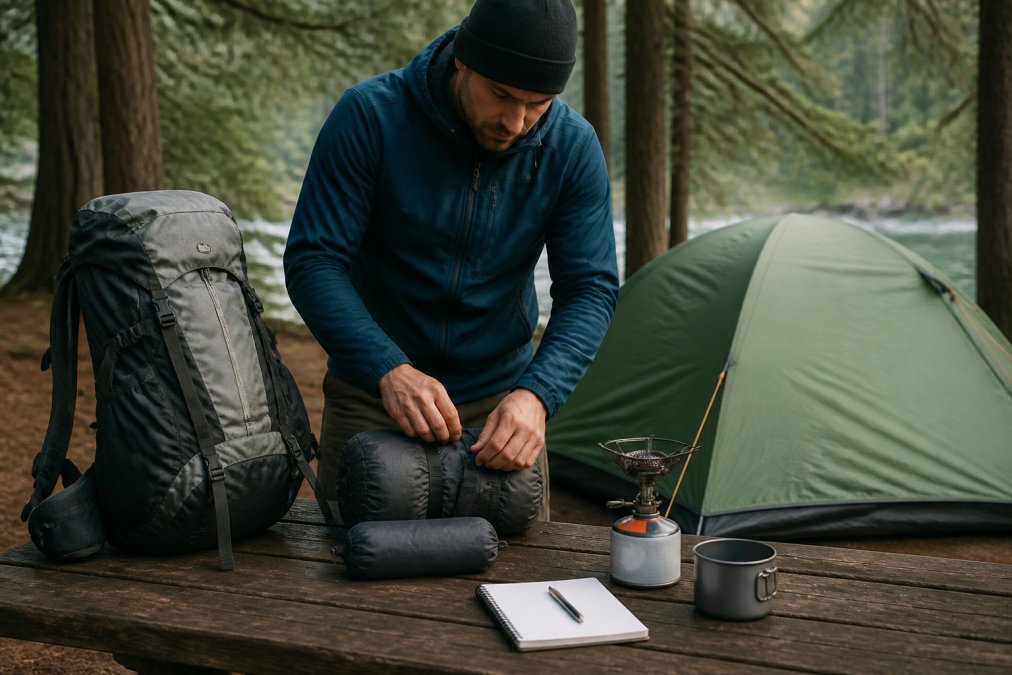
Adventurers Pulse offers gear engineered for durability, comfort, and performance across mountain trails and forest campsites. The curated selection covers tactical backpacks and survival tools built for real load carriage, so you go prepared with gear you can trust. For hikers who want one source for essential outdoor equipment, it is a complete option.
Zpacks Duplex Classic
The Zpacks Duplex Classic is a high-performance, ultralight two-person tent built from Dyneema Composite Fabric for extreme weight savings. Its two-door, two-vestibule layout handles gear storage well, and full bug netting keeps insects out. The catch: it requires trekking poles for setup and carries a $699 price tag, which puts it out of reach for casual weekenders.
Jetboil Flash
The Jetboil Flash boils 16 ounces of water in roughly 100 seconds, making it the fastest option for backcountry cooking and water purification (jetboil.com). An integrated heat exchanger maximizes fuel efficiency, and the push-button igniter lights reliably in cold conditions. It is designed for boiling water, not gourmet cooking, and it needs proprietary fuel canisters.
Lanshan 1 Tent
The Lanshan 1 is a budget-friendly alternative to premium ultralight shelters, using sil-nylon construction with a double-wall design to minimize condensation. At $140, it delivers significant savings for a solo hiker moving toward ultralight gear. Expect to seal the seams yourself, and availability can fluctuate through third-party retailers.
Costco Kirkland Signature Merino Wool Socks
Kirkland Signature Merino Wool Socks are a wool-blend budget pick with reinforced heels and toes for longevity and a cushioned footbed for impact absorption. At around $15 for a multi-pack, the price-to-performance ratio is hard to beat. Sizing and color options are limited, and inventory is seasonal.
Decathlon Forclaz Hiking Gear
Decathlon’s Forclaz line covers packs, tents, and clothing with in-house testing and direct-to-consumer pricing starting around $20. It is a strong entry point for beginners building a full kit. The trade-off is weight: Forclaz gear is often heavier than specialized ultralight options.
Moosejaw
Moosejaw is an outdoor retailer offering a broad catalog of premium brands, a loyalty program with cash-back rewards, and frequent clearance events. Prices still follow manufacturer MSRP, and popular items sell out fast during sales. It suits hikers hunting deals on established brands.
Cottage Industry vs. Mass-Market Backcountry Gear
Cottage manufacturers build in small batches with tighter quality control, while mass-market brands win on price and availability. The real difference shows up in repairability and weight-to-warmth ratio. A cottage quilt or shelter often uses premium down fill power and Dyneema, materials that mass-market gear substitutes with heavier synthetics. The trade-off is lead time and cost. If you need gear this weekend, mass-market wins. If you want a shelter tuned to your exact specs, cottage makers deliver. Many hikers run a hybrid kit: mass-market apparel, cottage shelter.
Second-Hand and Circular Economy Gear
Second-hand gear is the most underrated backcountry alternative. Gear swap forums, consignment shops, and manufacturer refurbishment programs let you buy trail-tested equipment at a fraction of retail. A used titanium cookware set or trekking poles often has years of life left. Inspect zippers, seam tape, and waterproof ratings before buying. The circular economy also keeps functional gear out of landfills, which matters for a community that depends on wild places.
Best Survival Tools for Beginners
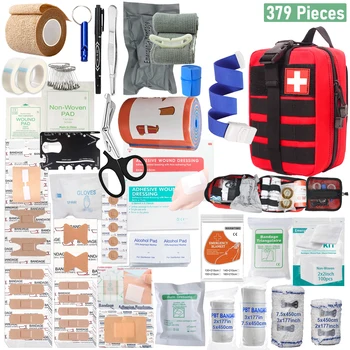
The best survival tools for beginners are simple, reliable, and tested before you need them. That means a fixed-blade knife with a full tang (the steel runs the length of the handle) rather than a folding blade that can fail under lateral load, a ferrocerium rod paired with stormproof matches as a backup, and a compact first-aid pouch stocked for the injuries that actually happen on trail: blisters, sprains, cuts, and hypothermia. Add an emergency shelter such as a two-person bivy or a reflective tarp that doubles as a signal panel.
What separates a useful kit from a heavy one is redundancy without duplication. Carry two independent ignition methods, two light sources, and two ways to treat water. A common pattern among experienced hikers is to test one new item per trip so its limits are learned under real conditions rather than discovered in an emergency. Buying a full kit and never field-testing it is the most common beginner mistake.
For beginners, the highest-value survival tools are the ones that address the most likely failure points: exposure, dehydration, and getting lost. A satellite messenger or personal locator beacon covers the last one, since cell coverage disappears fast in remote terrain. Pair it with a paper map and baseplate compass, because batteries die and screens crack.
Build your survival kit around the three likeliest threats on your route, exposure, water, and navigation, rather than around gear categories. If a tool does not address one of those, it probably belongs in your repair kit instead.
Cottage manufacturers and second-hand sources are strong options here. Small-batch makers often build fixed-blade knives and fire-starting kits with tighter quality control than mass-market bundles, and consignment shops frequently carry lightly used survival tools at a fraction of retail. Inspect the sheath stitching, blade grind, and ferro rod for corrosion before buying used.
Essential Backcountry Gear Checklist
Use this checklist before every multi-day excursion. Each line includes the mechanism that matters, not just the category, so you can judge whether your kit actually covers the job.
- Shelter with a waterproof rating suited to expected rain. Look for a hydrostatic head of at least 1,200 mm for three-season use, and confirm the seams are taped or sealed (rei.com). A double-wall design reduces condensation; a single-wall Dyneema shelter saves weight but demands ventilation management.
- Sleeping system: pad, bag or quilt, and liner. Match the pad’s R-value to the lowest expected overnight temperature, roughly R-2 for summer, R-4 for three-season, and R-5 or higher for shoulder-season trips (rei.com). Down offers the best weight-to-warmth ratio; synthetic retains loft when damp.
- Water filtration or purification: a hollow-fiber filter for sediment and protozoa, plus chemical tablets or a UV device as a virus backup. Carry a backup method because filters can clog or freeze.
- Stove and fuel: an integrated canister stove for fast boils, or an alcohol or solid-fuel stove for cold-weather reliability. Check fuel canister compatibility before you leave.
- Navigation: paper map, baseplate compass, and a GPS app or handheld unit with offline maps downloaded. Do not rely on a single device.
- Satellite messenger or personal locator beacon with an active subscription and a charged battery.
- Layered technical apparel for moisture management: a base layer, an insulating midlayer, and a waterproof-breathable shell.
- Trekking poles for load carriage and balance on descents.
- Repair kit and maintenance supplies: seam grip, patch tape, spare buckles, and a multi-tool.
- First-aid and emergency preparedness kit sized to your group and route.
The checklist is a starting point, not a shopping list. The strongest kits are built by testing one item per trip, replacing what fails, and repairing what still works. That habit, not the initial purchase, is what keeps a kit reliable for a decade.
Two sourcing notes that most guides skip. First, cottage manufacturers often build shelters, quilts, and packs to your exact specs, which means the checklist can be tuned rather than assembled from whatever a big-box store stocks. Second, second-hand and refurbished gear covers most of this list at a fraction of retail; inspect zippers, seam tape, and waterproof ratings before buying, and re-waterproof shells and reseal tent seams as part of your annual maintenance routine.
Gear Maintenance and Repair for Longevity
Gear maintenance is what separates a kit that lasts a decade from one that fails in a season. Re-waterproof shells annually, reseal tent seams, and store down insulation loosely to protect loft. Patch ripstop nylon tears immediately to stop them spreading. A small repair kit with seam grip, patch tape, and spare buckles costs little and saves trips. What most guides miss is that durability is a habit, not a spec.
Regional Gear Sourcing
Regional sourcing changes what is available and at what price. Coastal and mountain regions tend to have stronger consignment and cottage scenes, while flatland metro areas lean on big-box and online retail. Local outfitters often carry brands that never appear in national chains. Ask staff what local thru-hikers actually use. Buying regionally also cuts shipping and supports the trails you hike.
Frequently Asked Questions
What are the best alternatives to major outdoor retailers for hiking gear?
Cottage brands like Zpacks and Lanshan offer ultralight tents, while Decathlon and Costco provide budget-friendly options. Adventurers Pulse specializes in durable, performance-driven gear for backcountry use. Second-hand marketplaces and regional outfitters also provide quality alternatives. Each source has trade-offs in price, weight, and availability, so match your choice to your trip style and budget.
How do I choose reliable backcountry gear from smaller brands?
Look for field testing and performance metrics. Check materials like Dyneema or ripstop nylon and construction details such as reinforced seams. Read user reviews and warranty policies. For example, Zpacks uses Dyneema Composite Fabric, and Lanshan offers sil-nylon tents. Verify return policies and start with essential items like shelters or sleep systems.
What is the ‘Big 4’ in hiking and why does it matter?
The Big 4 are shelter, sleeping system, backpack, and footwear. These items dominate base weight and comfort. Choosing the right alternatives here impacts your entire trip. For instance, a Dyneema tent like the Zpacks Duplex cuts weight, while a supportive backpack ensures load carriage. Prioritize these four when building or upgrading your kit.
Can I use non-specialized gear for backcountry hiking?
Yes, but with caution. Non-specialized gear may lack durability, weather resistance, or ergonomics needed for multi-day excursions. For example, regular socks can cause blisters, while trail shoes offer better grip. Budget alternatives like Decathlon Forclaz or Kirkland merino socks can work for mild conditions. Assess trail conditions and trip length before substituting specialized equipment.
Where can I find expert-tested hiking gear outside of big-box stores?
Cottage manufacturers like Zpacks and Lanshan sell direct online. Regional outfitters and second-hand platforms offer tested gear. Adventurers Pulse curates durable equipment for off-grid adventures. Look for brands that publish field testing data and technical specifications. Reviews from thru-hikers and local hiking communities can also guide you to reliable, trail-tested options.
Finding gear that survives real trail conditions is the challenge every backcountry hiker faces. Adventurers Pulse builds performance-driven equipment for exactly that, with gear engineered for durability, comfort, and performance and a curated selection of outdoor essentials for hiking, camping, and survival. Join a lifestyle-oriented community of explorers and go prepared with gear you can trust. Get started with Adventurers Pulse and adventure with confidence.




0 Comments