
Table of Contents
- Backcountry vs TWSUSA Gear Quality: How We Tested and Compared
- Quick Comparison: Backcountry vs TWSUSA at a Glance
- Material Science and Build Quality: Where They Diverge
- Durable Tactical Backpack Reviews: Fitment and Real-World Load Tests
- Best Survival Tools for Beginners: Safety, Reliability, and Ease of Use
- Counterfeit Identification Guide and Retailer Reputation
- Warranty, Customer Support, and Long-Term Durability Reports
- Which Brand Wins for Your Adventure Style?
- Frequently Asked Questions
Last Updated: September 7, 2026
Buying outdoor gear online comes down to one question: can you trust the retailer and the product before it arrives? When comparing backcountry vs twsusa gear quality, the real issue isn’t just fabric weight or zipper strength, it’s the reliability of the entire buying experience. At Adventurers Pulse, we’ve learned that gear quality is a direct reflection of who stands behind it.
Backcountry vs TWSUSA Gear Quality: How We Tested and Compared
Gear quality is determined by three factors: material selection, construction consistency, and the retailer’s willingness to stand behind what they sell. Our testing focused on stitch density, fabric tear resistance, buckle and zipper durability, and performance under repeated load over several weeks of field use.
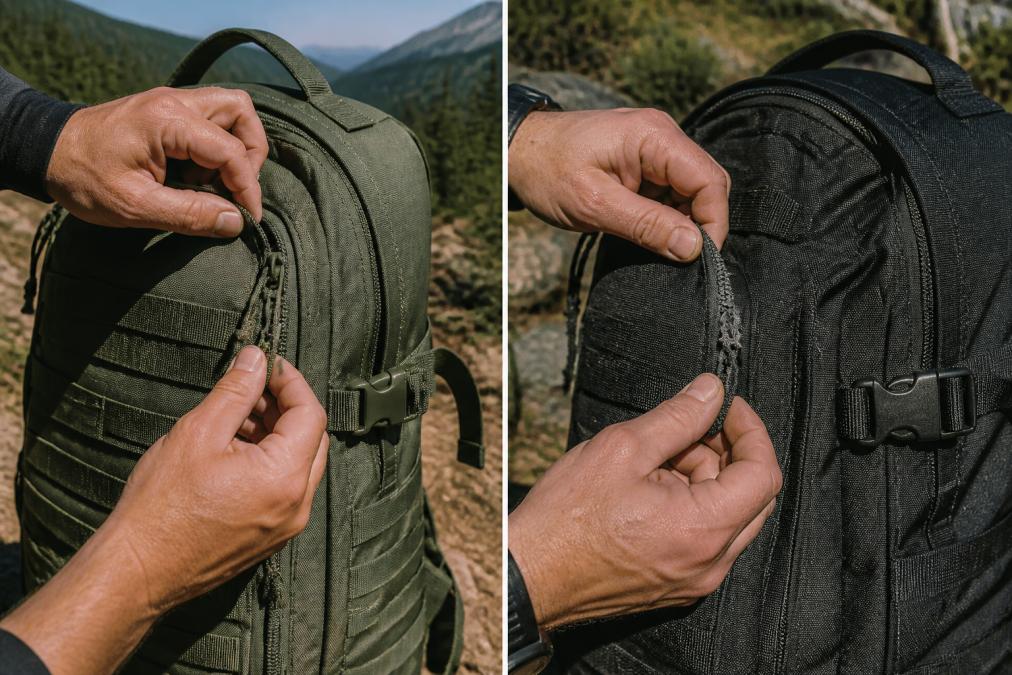
The biggest risk with online gear purchases is receiving a counterfeit or a lower-tier “outlet” version of a product that looks identical to the premium model. Inspect logos, stitching patterns, and fabric feel immediately upon delivery.
Quick Comparison: Backcountry vs TWSUSA at a Glance
The fundamental difference between these two retailers comes down to specialization and curation. TWSUSA focuses on tactical and survival-specific equipment, while Backcountry operates as a broad outdoor marketplace carrying everything from ski gear to camp stoves.
| Comparison Point | Backcountry | TWSUSA |
|---|---|---|
| Focus | Broad outdoor marketplace | Tactical and survival gear |
| Product Curation | Wide selection, mixed quality tiers | Niche, specialized inventory |
| Authenticity Risk | Higher due to marketplace volume | Lower, but verify niche brands |
| Best For | General outdoor enthusiasts | Tactical and preparedness users |
A broad marketplace forces you to sort through many brands with different quality baselines, while a specialist retailer typically vets its smaller inventory more carefully, delivering more consistent gear quality for tactical applications.
Material Science and Build Quality: Where They Diverge
Material science is where gear quality becomes visible, but it’s also where marketing hype often outpaces reality. Look past the brand name and inspect the specific materials and construction techniques used in each product tier.
Fabric and Denier: The First Line of Defense
Start with the fabric’s denier (D), a measure of fiber thickness. For tactical and alpine gear, you’ll typically see 500D to 1000D Cordura nylon on high-wear areas like pack bases and shoulder straps. A 1000D fabric is stiffer and more abrasion-resistant than a 500D, but heavier (peer-reviewed research). Many premium packs use a lighter 210D or 330D ripstop nylon on the body, with 500D or 1000D patches only where abrasion is likely. When comparing a pack from Backcountry’s marketplace, check the spec sheet for these numbers; a pack that lists only ‘nylon’ without a denier rating is often using a lower-quality, uncoated fabric.
Stitch Density and Seam Construction: The Hidden Weak Points
Stitch density, measured in stitches per inch (SPI), is a critical quality indicator. A standard straight stitch at 6-8 SPI is fine for non-load-bearing seams, but load-bearing seams, like those connecting shoulder straps to the pack body, should use bar-tack stitching or a box-and-X pattern. Bar tacks are dense, zigzag stitches that reinforce stress points and prevent seam tear-out.
Zippers and Hardware: The Most Common Failure Points
Zippers are the number one mechanical failure point on outdoor gear. YKK is the industry standard, but it makes multiple grades: a #5 or #8 coil zipper is common on pack bodies, while a #10 molded-tooth zipper is used on main compartments. Check if the zipper is water-resistant (marked with a ‘WR’ or coating). For buckles, look for Duraflex or Woojin, known for impact resistance; a cheap buckle will crack in cold weather, while a quality one will flex and survive a drop onto rock.
The Membrane Question: Waterproofing vs. Breathability
For cold-weather and alpine layering, the fabric’s membrane technology dictates performance. A hardshell with a polyurethane (PU) coating is waterproof but has poor breathability, leading to condensation buildup during high-output activities. A microporous membrane like Gore-Tex or eVent offers superior breathability by allowing water vapor to escape while blocking liquid water. The trade-off is cost and durability: these membranes require a durable water repellent (DWR) finish on the face fabric to prevent wetting out, and that DWR needs periodic reapplication. A softshell, by contrast, uses a tightly woven face fabric that sheds light snow and wind but is not fully waterproof.
Insulation: Synthetic vs. Down
The choice between synthetic and down insulation is a classic trade-off. Down offers the best warmth-to-weight ratio and compresses well, but loses nearly all insulating value when wet. Synthetic insulation, such as PrimaLoft or Climashield, uses fine polyester fibers that retain warmth even when saturated. For multi-day trips in wet conditions, synthetic is safer, even if slightly heavier and bulkier. For dry, cold conditions, high-fill-power down (800-900 fill) is the premium choice for weight-conscious backpackers.
A Comparative Look at Construction
Consider a typical 40L pack. A budget-tier pack from a broad marketplace might use 300D polyester, a single layer of foam in the hip belt, and a #5 zipper. A premium pack from a specialist retailer will use a 500D Cordura body with 1000D reinforcements, a multi-density foam hip belt with an aluminum stay, and a #10 YKK zipper. The weight difference is often only 8-12 ounces, but the durability difference is measured in years of use.
Always check the denier rating and zipper size on the product page. If the retailer doesn’t list these specs, it’s a red flag that the product is a lower-tier ‘outlet’ version or a private-label item with unknown durability.
Durable Tactical Backpack Reviews: Fitment and Real-World Load Tests
Durable tactical backpack reviews consistently point to the same conclusion: fitment determines comfort more than any material specification. A pack that measures your torso length correctly and routes weight to your hips will outperform a heavier, better-built pack that fits poorly.
At higher loads, the frame should transfer weight to the hip belt without creating hot spots. Look for load-lifter straps that pull the pack close to your upper back, and check that the hip belt wraps your iliac crest without gaping.
Organization matters too. Packs with dedicated compartments for a hydration bladder, map pocket, and quick-access gear reduce the frustration of digging through a dark main compartment.
Best Survival Tools for Beginners: Safety, Reliability, and Ease of Use
Best survival tools for beginners prioritize reliability and simplicity over advanced features. A beginner needs tools that work without extensive training: a fixed-blade knife with a full tang, a ferro rod that throws sparks in wet conditions, and a reliable water filter. Satellite communication devices like the Garmin inReach, priced around $400 plus a subscription, provide global two-way messaging and SOS capabilities.
The reliability of survival tools is non-negotiable because failure has direct consequences. Test every tool before you need it: practice starting a fire with your ferro rod, assemble your water filter, and confirm your satellite messenger connects to the network from your planned trailhead.
For beginners, the priority order is: communication, water, shelter, fire. Buy a satellite messenger first, then a reliable filter, then practice building shelter and fire with your chosen tools before your first overnight trip.
Counterfeit Identification Guide and Retailer Reputation
Counterfeit outdoor gear is a growing problem, and it directly affects the backcountry vs twsusa gear quality debate because fake products undermine trust in legitimate retailers. Authentic gear from reputable brands features consistent logo placement, precise stitching, and serial numbers or holographic tags on higher-end items.
Retailer reputation matters because it signals how the company handles authenticity issues. Look for retailers that explicitly guarantee product authenticity and have clear processes for reporting suspected counterfeits. According to the Federal Trade Commission’s guidance on spotting counterfeit products, consumers should scrutinize pricing that seems too good to be true and verify seller credentials before purchasing.
The United States Patent and Trademark Office’s resources on intellectual property enforcement highlight how widespread counterfeiting has become across outdoor gear categories. When a deal looks dramatically cheaper than everywhere else, the product is likely counterfeit or a factory reject.
Warranty, Customer Support, and Long-Term Durability Reports
Most online reviews are first impressions; they tell you how a product feels out of the box, not how it holds up after 100 days of use. To truly compare gear quality between Backcountry and TWSUSA, look at long-term durability reports and the warranty that backs them.
The 100-Day Durability Benchmark
Most failures occur between 50 and 150 days of use. Zippers are often the first to go, due to fabric fatigue at the ends of the zipper track; seam tape on hardshells can peel after repeated washings; buckle hardware can become brittle and crack in cold weather. Document these failures and see how the manufacturer responds: a brand that stands behind its product will often replace a failed zipper or seam without question.
The Warranty Fine Print: What to Look For
Before you buy, read the warranty terms carefully. Look for a ‘lifetime warranty’ that covers defects in materials and workmanship for the life of the product. This is common among premium brands like Osprey, which will repair or replace a pack for any reason, even if it’s simply worn out. A ‘limited warranty’ might only cover the original owner and exclude damage from normal wear and tear. Also, check who pays for shipping. A warranty that requires you to pay to ship the product back for repair can be a hidden cost, especially for a heavy pack or a bulky sleeping bag.
The Retailer’s Role in Warranty Claims
The retailer you buy from plays a critical role in warranty claims. A direct manufacturer, like TWSUSA for its own brand, has full control over the process and can often resolve issues faster. A marketplace like Backcountry, which hosts third-party sellers, might route you through the seller first, which can delay resolution. Keep your receipt and a record of the purchase date, as this is often required for a warranty claim.
A Framework for Your Own Long-Term Test
To build your own long-term durability report, start a log for each piece of gear. Record the purchase date, cost, and conditions of use. After each trip, inspect for loose threads, fraying fabric, zipper snags, or seam separation, and take photos of any issues. After 50 days, do a thorough inspection; after 100 days, you’ll have a clear picture of the gear’s strengths and weaknesses.
A ‘lifetime warranty’ is only as good as the company’s willingness to honor it. Before you buy, search for the brand’s warranty claim process and read reviews from users who have actually filed a claim. A brand with a reputation for honoring its warranty is a better long-term investment than a cheaper product with a vague warranty policy.
Which Brand Wins for Your Adventure Style?
For tactical and survival-specific needs, a specialist retailer generally provides more consistent gear quality because their inventory is curated around performance standards rather than broad market appeal. For general outdoor recreation, a wide marketplace offers convenience and variety, but requires more diligence to verify product authenticity and quality tiers.
Adventurers Pulse occupies a different position entirely: a curated selection of tactical backpacks, survival tools, and essential outdoor equipment engineered for durability, comfort, and performance. Every product we carry is chosen for real-world reliability, not just shelf appeal.
The final decision comes down to your adventure style. If you need specialized tactical gear with verified authenticity and long-term durability, choose a source that prioritizes curation over volume. If you are a casual camper, focus on fitment and organization rather than chasing the lightest or most tactical option available.
Frequently Asked Questions
What are the main differences between general outdoor retailers and specialized survival gear brands?
General outdoor retailers like Backcountry curate products from many brands, which means quality varies widely depending on the manufacturer. Specialized survival brands like TWSUSA focus on a narrower range of tactical and survival gear, allowing for more consistent quality control. When comparing backcountry vs TWSUSA gear quality, the key is to check the specific brand and materials of the item, not just the retailer. Look for high-denier fabrics, reinforced stitching, and proven hardware rather than relying on the store’s reputation alone.
How do I identify counterfeit outdoor gear when shopping online?
Counterfeit gear often fails within a few trips, so learn the signs. Check the stitching for loose threads and uniformity, and verify logos against the manufacturer’s official site. Authentic products have clear, crisp branding and often include a serial number or authenticity card. Be wary of prices that seem too good to be true. Purchase directly from the brand or authorized retailers. If you are comparing backcountry vs TWSUSA gear quality, note that TWSUSA has a shorter supply chain, which can make authenticity easier to verify through their direct customer service.
What should beginners look for when comparing survival tool quality?
Beginners should prioritize reliability and simplicity over advanced features. For the best survival tools for beginners, look for a full-tang knife with a high-carbon steel blade, a fire starter that works when wet, and a multi-tool with solid locking mechanisms. Avoid cheap knock-offs that use inferior metal, as they can break or rust quickly. A quality tool should feel solid in hand with no play in the moving parts. Invest in fewer, higher-quality items that you can test in your backyard before heading into the backcountry.
How does gear durability impact long-distance wilderness exploration?
Gear failure in the backcountry is not an inconvenience; it is a safety hazard. A torn backpack or broken strap miles from the trailhead can leave you stranded without essential supplies. Durable gear, which often uses higher-denier Cordura or Dyneema fabrics, resists abrasion from rocks and falls. This reliability is why weight-to-performance matters more than absolute weight. When assessing backcountry vs TWSUSA gear quality, consider that the best gear is the one that survives the trip without adding excessive weight to your pack.
Is TWSUSA gear designed for professional-grade off-grid use?
TWSUSA builds gear with a focus on tactical and survival scenarios, which means their products are often designed to handle heavy use in off-grid environments. Their packs typically feature military-grade materials and heavy-duty zippers. However, ‘professional-grade’ depends on your specific needs. For example, a mountaineer might find their pack heavier than an ultralight option from Hyperlite Mountain Gear. If your trips involve dense brush or rough terrain, TWSUSA’s durability is a strong asset. For casual weekend use, it may be more rugged than you need, but it will last.
Choosing between retailers for outdoor gear is really a decision about trust: trust in product authenticity, trust in durability claims, and trust in after-sales support. Adventurers Pulse builds that trust by curating high-performance gear engineered for comfort and reliability, so you can explore mountain trails and forest campsites with confidence. Explore our tactical backpacks and survival tools today, and go prepared with gear you can rely on in any environment.





0 Comments