
Table of Contents
- Quick Comparison: Durable Gear for Remote Trails
- How We Evaluated Durability for Off-Trail Conditions
- 1. Lowa Renegade GTX Mid: Nubuck Armor for Rough Ground
- 2. Durston Kakwa 55: Ultra 200 Fabric Meets Load-Bearing Comfort
- 3. Garmin Fenix 8: Satellite Messaging and Multi-Band Navigation
- 4. Black Diamond Distance Carbon Z: Trekking Poles That Fold Small
- 5. Jetboil Stash: Fast Hydration and Water Boiling in the Backcountry
- 6. Zenbivy Bed: Shelter and Sleep Systems for Cold, Remote Camps
- 7. Cascade Mountain Tech Carbon Fiber Poles: Budget Carbon That Holds Up
- Field Maintenance and Repair: What Most Guides Skip
- Frequently Asked Questions
Last Updated: September 15, 2026
Quick Comparison: Durable Gear for Remote Trails
Remote trails punish gear in ways that day hikes never do. Sharp scree, sustained pack loads, and days between resupply points expose weak stitching, thin fabric, and undersized components fast. This guide from Adventurers Pulse ranks seven field-tested picks for durability-first backcountry travel, and the throughline is simple: when you are days from a trailhead, a two-ounce weight saving is never worth a mid-trip failure.
Below, we break down what survived our testing and, more importantly, what each piece is actually built to handle.
Quick Picks:
- Best Overall: Durston Kakwa 55, Ultra 200 fabric and a real aluminum frame for heavy loads
- Best Footwear: Lowa Renegade GTX Mid, nubuck leather that holds up season after season
- Best Navigation: Garmin Fenix 8, multi-band GNSS plus satellite messaging
- Best Budget Poles: Cascade Mountain Tech Carbon Fiber Poles, carbon performance without the premium price
| Product | Category | Key Material | Weight Class | Best For |
|---|---|---|---|---|
| Durston Kakwa 55 | Backpack | Ultra 200 fabric | Mid | Long-distance loads |
| Lowa Renegade GTX Mid | Footwear | Nubuck leather | Heavy | Technical terrain |
| Garmin Fenix 8 | Navigation | Titanium bezel | Mid | Off-grid routing |
| Black Diamond Distance Carbon Z | Trekking poles | Carbon fiber | Ultralight | Fastpacking |
| Jetboil Stash | Cooking | Titanium burner | Ultralight | Fast water boiling |
| Zenbivy Bed | Sleep system | Down insulation | Mid | Cold-weather comfort |
| Cascade Mountain Tech Carbon | Trekking poles | Carbon fiber | Light | Budget buyers |
How We Evaluated Durability for Off-Trail Conditions
Durability for remote trails means surviving abrasion, load stress, and weather without field failure. We scored each item on fabric denier and construction, load-bearing hardware, repairability, and the weight-to-durability ratio rather than raw weight alone.
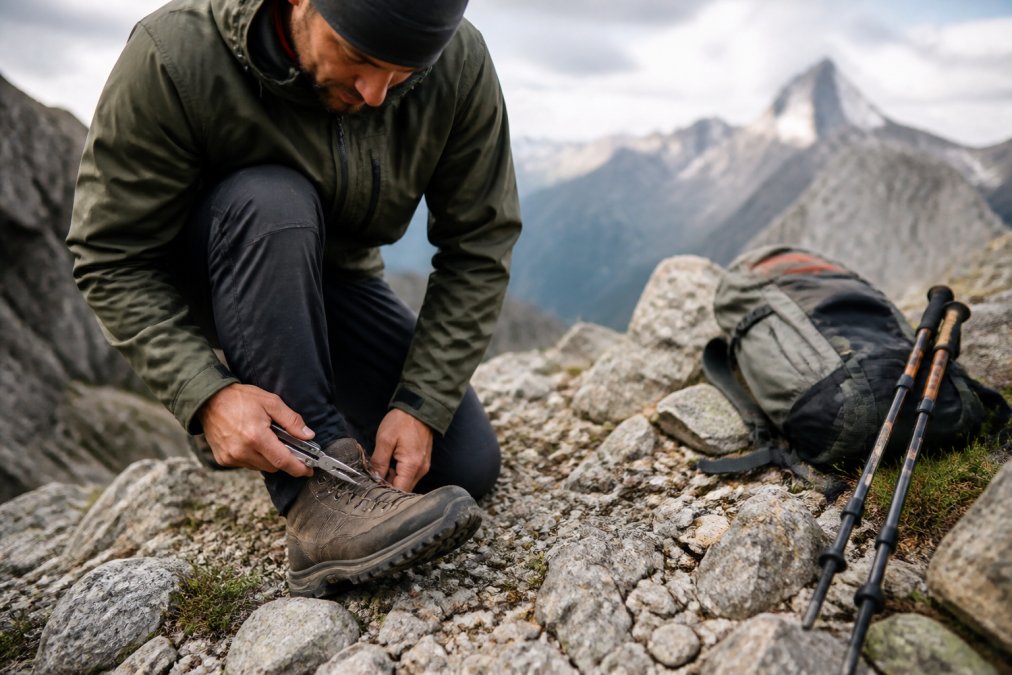
A common mistake in gear reviews is rewarding the lightest option regardless of context. That logic works for groomed, three-season trails. It falls apart the moment you bushwhack through scrub oak or drag a pack over granite. So we weighted abrasion-resistant fabric, outsole compound, and metal hardware over gram counts, and we favored gear you can patch or re-tension on the trail.
The weight-to-durability ratio matters more than absolute weight for remote trips. A pack that saves 200 grams but tears at the first rock contact costs you the whole trip.
The 10 essentials for hiking and camping still define the baseline kit, and every pick here slots into that framework. For official guidance on trip planning and safety, the National Park Service trip planning resources remain a solid starting point.
1. Lowa Renegade GTX Mid: Nubuck Armor for Rough Ground
The Lowa Renegade GTX Mid is the most durable boot in this lineup for technical, rocky terrain. Its nubuck leather upper resists abrasion in a way synthetic mesh simply cannot match over multiple seasons.
What makes it work is the combination of a Gore-Tex waterproof breathable membrane and a Monowrap frame that adds lateral stability under load. The Vibram Evo outsole delivers dependable traction on wet rock and loose dirt. Ankle support is firm, which matters when you are carrying a heavy pack over uneven ground.
The trade-off is honest: it is heavier than modern synthetic trail runners. If your priority is speed on smooth trails, look elsewhere. If your priority is a boot that survives scree fields and off-trail routes, this is the pick.
Pros:
- Long-term durability from full nubuck leather
- Excellent ankle support under load
- Reliable traction across mixed terrain
Cons:
- Heavier than synthetic alternatives
- Needs proper break-in time
2. Durston Kakwa 55: Ultra 200 Fabric Meets Load-Bearing Comfort
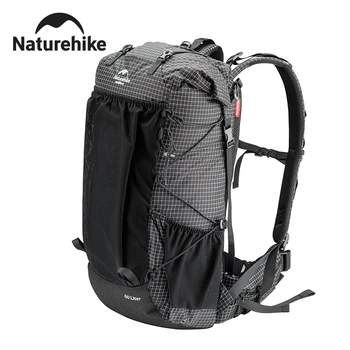
The Durston Kakwa 55 is our top overall pick because it balances low weight with genuine durability. The Ultra 200 fabric construction delivers high tear and abrasion resistance, so it handles brush, rock, and repeated packing without the fragile feel of thin silnylon.
An internal aluminum frame transfers weight to your hips effectively, which matters on multi-day carries. Large external pockets keep frequently used items accessible, and the roll-top closure adjusts volume as your food supply shrinks. A common mistake is buying a pack by liter rating alone; what actually matters is how the frame distributes a heavy load.
Load the Kakwa with your heaviest items centered against your back and low in the pack body. The aluminum frame works best when weight sits close to your spine, not pushed outward into the pockets.
The one drawback is stock. Durston runs limited production, so availability fluctuates. If you find your size, do not wait on it.
Pros:
- High strength-to-weight ratio
- Comfortable carry with heavy loads
- Durable Ultra 200 fabric
Cons:
- Limited stock availability
- Roll-top takes getting used to
3. Garmin Fenix 8: Satellite Messaging and Multi-Band Navigation
The Garmin Fenix 8 is the navigation anchor for off-grid trips, combining multi-band GNSS positioning with satellite messaging for emergencies. Multi-band GNSS locks onto signals more reliably in canyons and dense tree cover where single-band devices drift (gps.gov).
Battery life is the standout. It runs long enough for extended trips without daily charging anxiety, and the built-in LED flashlight is genuinely useful for camp tasks and low-light route finding. Garmin states the watch is tested to U.S. military standards for thermal and shock resistance, which speaks to durability in cold, remote camps (garmin.com).
The drawback is cost. It is a serious investment, and casual weekend campers may not need satellite messaging at all. For anyone heading off-trail or into areas without cell coverage, though, the emergency communication capability alone justifies the price.
Pros:
- Exceptional battery longevity
- Precise multi-band positioning
- Built-in satellite messaging
Cons:
- High price point
- Feature set is overkill for casual day hikes
4. Black Diamond Distance Carbon Z: Trekking Poles That Fold Small
The Black Diamond Distance Carbon Z is built for hikers who need support that stores small and deploys fast. The 100% carbon fiber construction keeps swing weight low, which reduces fatigue over long days.
The Z-pole foldable design collapses into a compact package that fits inside or strapped to a pack, useful when you need hands free for scrambling. Interchangeable carbide and rubber tips let you match the tip to the surface, and the EVA foam grip manages moisture on long climbs. If you are coming from adjustable aluminum poles, expect a stiffer, lighter feel.
The limitation is fixed length.
5. Jetboil Stash: Fast Hydration and Water Boiling in the Backcountry
6. Zenbivy Bed: Shelter and Sleep Systems for Cold, Remote Camps
7. Cascade Mountain Tech Carbon Fiber Poles: Budget Carbon That Holds Up
Field Maintenance and Repair: What Most Guides Skip
Skipping a post-trip gear inspection is how small failures become trip-ending ones. A loose buckle or a frayed strap noticed at home is a five-minute fix; the same failure 15 miles from a trailhead is a real problem.
Frequently Asked Questions
What are the 10 essential survival items for remote hiking?
The classic list covers navigation, sun protection, insulation, illumination, first-aid supplies, fire, repair kit and tools, nutrition, hydration, and emergency shelter. For remote trails, add a satellite messenger or emergency locator, since cell coverage disappears fast. Build each category around durable gear rather than the lightest option: a repair kit with a multi-tool and patch material, a headlamp with spare batteries, and a shelter that handles wind. The 10 essentials for hiking and camping work as a checklist, not a shopping list.
How do you choose durable gear for long-distance wilderness trails?
Start with materials. Look for high-denier ripstop nylon, abrasion-resistant nubuck leather, and hardware that can be replaced in the field. Check the weight-to-durability ratio: a pack like the Durston Kakwa 55 uses Ultra 200 fabric to stay light without sacrificing tear resistance. Then examine repairability. Zippers, buckles, and pole tips should be serviceable with a basic repair kit. Prioritize load-bearing components, since a failed hip belt or frame ends a trip faster than a scuffed shell.
Why is gear weight vs. durability important for off-grid trekking?
Every ounce you save by thinning a fabric is an ounce of abrasion resistance you give up. On maintained trails, ultralight gear holds up fine. On off-trail routes with bushwhacking and scree, thin denier fabrics puncture and delaminate. The practical answer is to carry a slightly heavier pack, boot, or shelter where failure would be serious, and go ultralight on items you can replace or live without. Weigh the consequence of failure, not just the gram count.
What specific gear should beginners prioritize for remote trails?
Beginners should spend first on footwear, navigation, and sleep insulation, because those three failures end trips fastest. A supportive boot with a Vibram outsole handles loose rock; a GPS watch or handheld with preloaded maps prevents wrong turns; a warm, draft-free sleep system keeps you functional after a cold night. The best survival tools for beginners are simple and mechanical: a fixed-blade or folding knife, a fire starter, a headlamp, and a basic repair kit. Skip specialized gadgets until you know your terrain.
How do you maintain outdoor gear to ensure longevity?
Clean and dry everything before storage, especially tents and insulated layers, since packed moisture degrades coatings and down. Re-waterproof shells with a DWR treatment when water stops beading. Inspect trekking pole tips, boot soles, and pack straps for wear after every trip, and replace consumable parts before they fail mid-route. Store gear loosely, not compressed, and keep a small field repair kit with tape, cord, and a multi-tool so minor damage never becomes a trip-ending problem.
Remote trails do not forgive gear that was chosen for weight alone. The picks above share one trait: they are built to keep working when the terrain turns rough and the nearest trailhead is a long walk away. Adventurers Pulse curates durable backpacks, survival tools, and outdoor essentials engineered for exactly these conditions, so you can head into the backcountry with gear you can trust. Explore the Adventurers Pulse collection and go prepared for your next off-grid trip.



0 Comments